
-


-
-


-


whatsapp

-
WeChat

Пожалуйста, оставьте нам сообщение
Maintaining the piston cylinder of a hammer drill: advice from leading experts
2026-06-07
- Why Hydraulic Hammer Piston Maintenance Determines Project Profitability
- Diagnosis of hidden defects: what is invisible to the eye
- Replacement and assembly technology: step-by-step algorithm
- Materials Science: Why Military Steel is a Game Changer
- The influence of hydraulic fluid on piston life
- Specifics of operation in extreme conditions
- Frequently Asked Questions
- Conclusion: Investing in Reliability
Why Hydraulic Hammer Piston Maintenance Determines Project Profitability
In our practice of working with quarries from the Urals to the Far East, we have repeatedly encountered a situation where equipment was down due to failurehydraulic hammer pistoncost the customer more than the cost of the unit itself. A critical mistake many service engineers make is trying to save money by replacing seals or ignoring microscopic scuffs on the cylinder bore. This leads to the fact that a new piston installed in an imperfect cylinder fails in 40–50 operating hours instead of the guaranteed 2000. Proper maintenance is not just an oil change, but a comprehensive diagnosis of the geometry and thermal state of the friction pair.
When you read this article, imagine that every hour of excavator downtime costs you 15,000 rubles. Now multiply that by three days of waiting for a part. That is why we insist: prevention and competent selection of components are more important than heroic repairs. In this guide, we'll look at real-life cases, including incidents that cost us our reputation before we implemented stringent quality controls similar to those used in the defense industry.
Diagnosis of hidden defects: what is invisible to the eye
85% of premature failures occur due to problems that cannot be detected by visual inspection without special equipment. We often see mechanics installing a newhydraulic hammer pistonwithout checking the condition of the cylinder liner. The result is predictable: after a week of operation, a knock appears, the pressure drops, and water hammer destroys the body of the tool. Let's look at what exactly you need to pay attention to, based on the standards adopted at Mianyang Qianchui Mechanical Equipment Co., Ltd., where we apply inspection methods borrowed from the production of high-precision parts for military equipment.
Cylinder surface analysis
The surface of the cylinder must be perfectly smooth, but even micron irregularities become a catalyst for destruction. Use a feeler gauge to measure the clearance between the piston and cylinder wall. The permissible gap is usually 0.03–0.05 mm, but this figure greatly depends on the operating temperature. If the gap exceeds 0.08 mm, hydraulic oil begins to break into the low pressure chamber, causing cavitation and overheating. One of our clients in Kazakhstan lost a batch of ten hammers precisely because they ignored the ellipse of the cylinder, which was only 0.02 mm more than normal.
Pay attention to the color of the metal. A blue or purple tint indicates overheating above 300°C, which changes the crystal lattice of the steel. In such cases, no amount of polishing will help - boring or replacement of the sleeve is required. We recommend using a lighted endoscope to inspect the interior before disassembly. This allows you to identify pockets of corrosion or contamination that could have gotten there during previous repairs.
Checking piston geometry
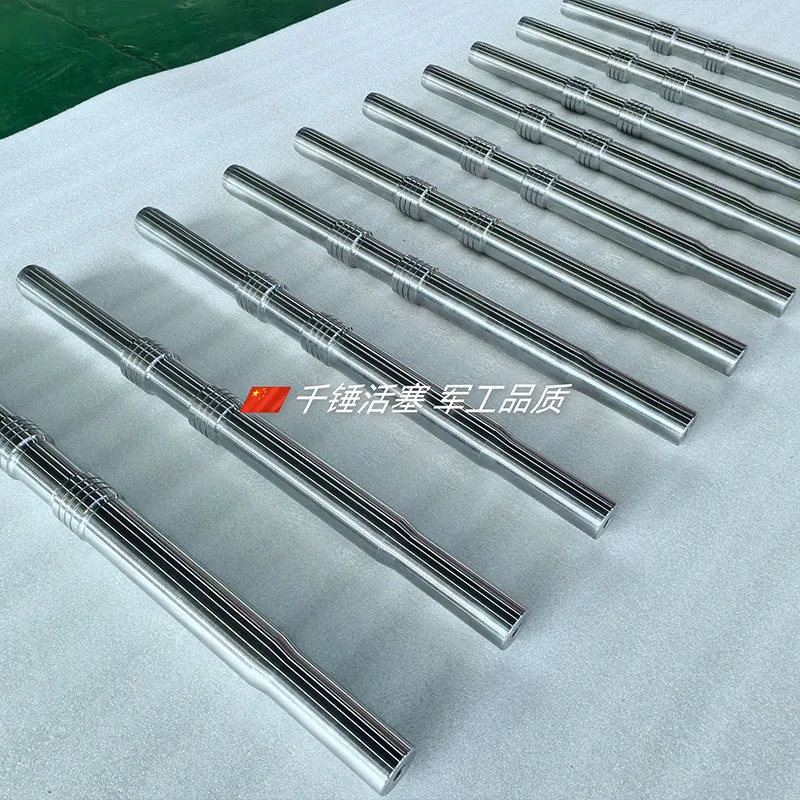
Even if the piston appears intact, it may have hidden deformations. Measure the piston diameter in three sections: upper, middle and lower. A difference in diameters of more than 0.01 mm indicates wear or a violation of the heat treatment technology. The wear of the grooves for the sealing rings is especially critical. If the groove edge is burred or chipped, the new ring will break on the first compression cycle. Our products, including the 616S, are manufactured using precision CNC machining to ensure that these defects are eliminated during the manufacturing process, but in a service environment this becomes your responsibility.
Remember to check the alignment of the pin holes and studs. A displacement of the axis even by a fraction of a millimeter creates an uneven load, which (leads) to rapid chipping of the material. We have seen cases where a misaligned piston caused the entire impact mechanism to jam. Use a micrometer and dial indicator for accurate measurements. Remember: saving time on diagnostics now will result in double the cost of repairs later.
Replacement and assembly technology: step-by-step algorithm
The piston replacement process requires discipline and cleanliness. Dirt that gets into the hydraulic system acts as an abrasive, destroying the hardest alloys. Below is the algorithm that we use in our service centers and recommend to our partners. Following these steps will extend the life of the node by 30–40%.
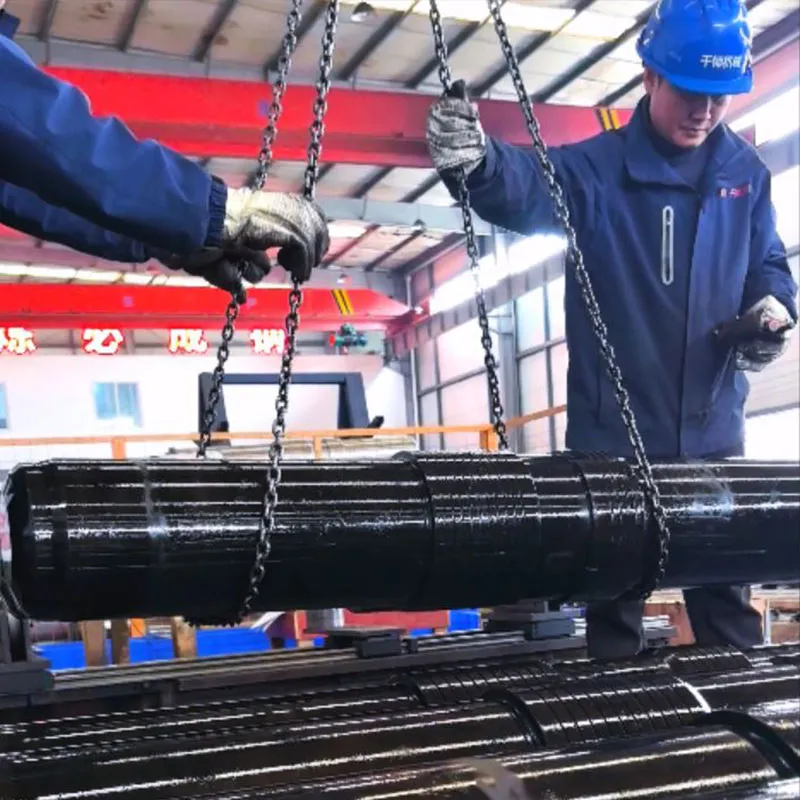
- Preparation of the workplace and dismantling.Clean the outer surface of the hammer from dirt and oil before starting work. Drain the hydraulic oil into a clean container for analysis. Carefully remove the retaining rings and knock out the piston pin using a soft copper or brass drift to avoid damaging the seats. Never use a steel chisel - the risk of damaging the housing is too great. Remove the piston along with the seals, being careful not to scratch the cylinder bore with the sharp edges of the rings.
- Troubleshooting and cleaning.Thoroughly rinse all parts in an ultrasonic bath or specialized solvent. Inspect the cylinder for scoring using a 10x magnifying glass. Check the condition of the return spring (if provided by the design): it should not show signs of metal fatigue or change in length by more than 2%. Replace all O-rings, even if they look fine. Rubber loses elasticity over time, and reusing old cuffs is a recipe for leaks.
- Selection and preparation of a new piston.Make sure it's newhydraulic hammer pistonmatches your instrument model. Compatibility with brands like DAEKKO, BEILITE or Montabert requires precise sizing. Lubricate the piston and cylinder with clean hydraulic oil before installation. Install the new O-rings using special mounting mandrels to avoid stretching or twisting them. Pay special attention to the O-rings - they should lie freely in the grooves without protruding beyond the limits.
- Assembly of the unit.Carefully insert the piston into the cylinder, making sure that the edges of the rings do not catch on the edges of the bore. Use a tapered bushing to facilitate insertion if the hammer design allows it. Install the piston pin and secure it with retaining rings. Make sure that the stoppers are securely seated in the grooves and have no play. Check the ease of movement of the piston manually - it should move smoothly, without jamming or extraneous sounds.
- Initial launch and run-in.Connect the hammer to the hydraulic station. Turn on the oil supply at minimum pressure and perform several idle strokes. Gradually increase the pressure to the operating value while monitoring the housing temperature. The first 15-20 minutes of work are critical: listen to the sound of the impacts. A smooth, loud knock indicates correct assembly. A dull sound or vibration indicates problems with alignment or air in the system. Perform a final check for tightness of connections.
A common mistake during assembly is the use of sealants where they are not provided for in the design. This can lead to sealant particles entering the hydraulic system and causing distributor failure. Rely only on mechanical seals specified by the design engineer. If you are in doubt about the tightening torque of the bolts, refer to the official manufacturer's manual and do not use your eye.
Materials Science: Why Military Steel is a Game Changer
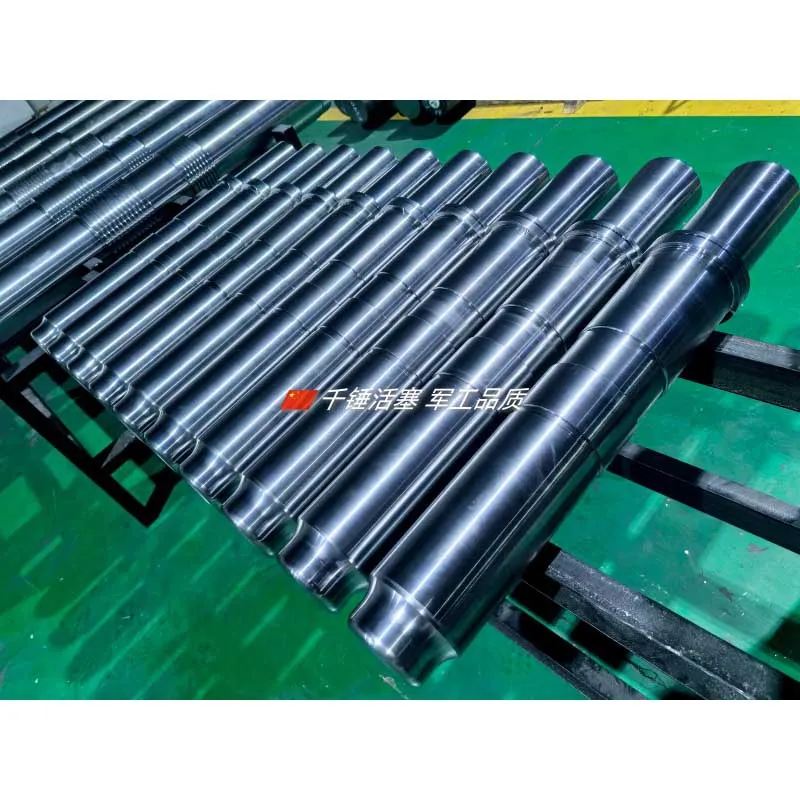
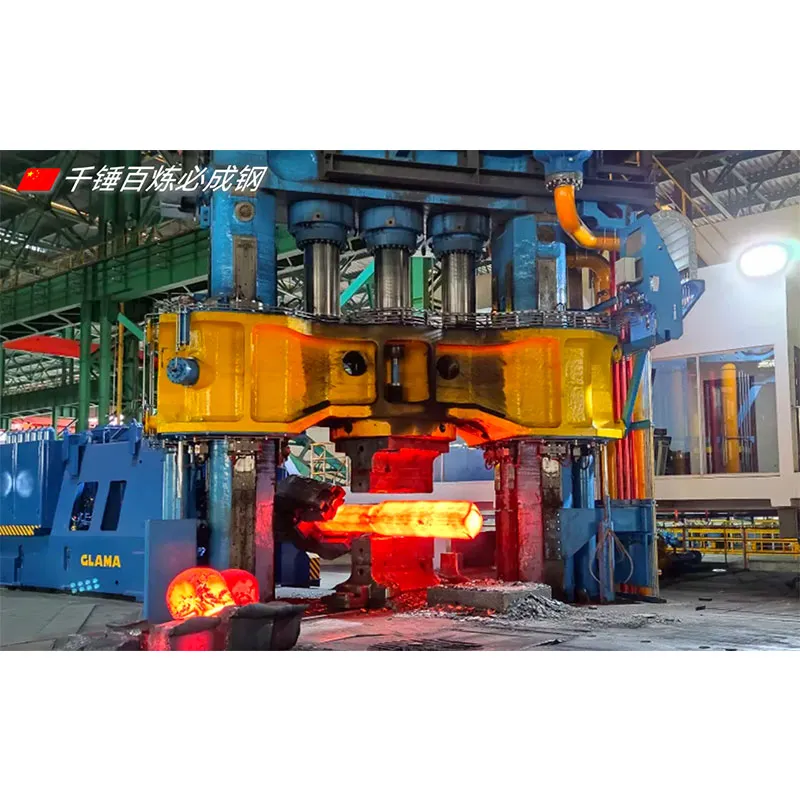
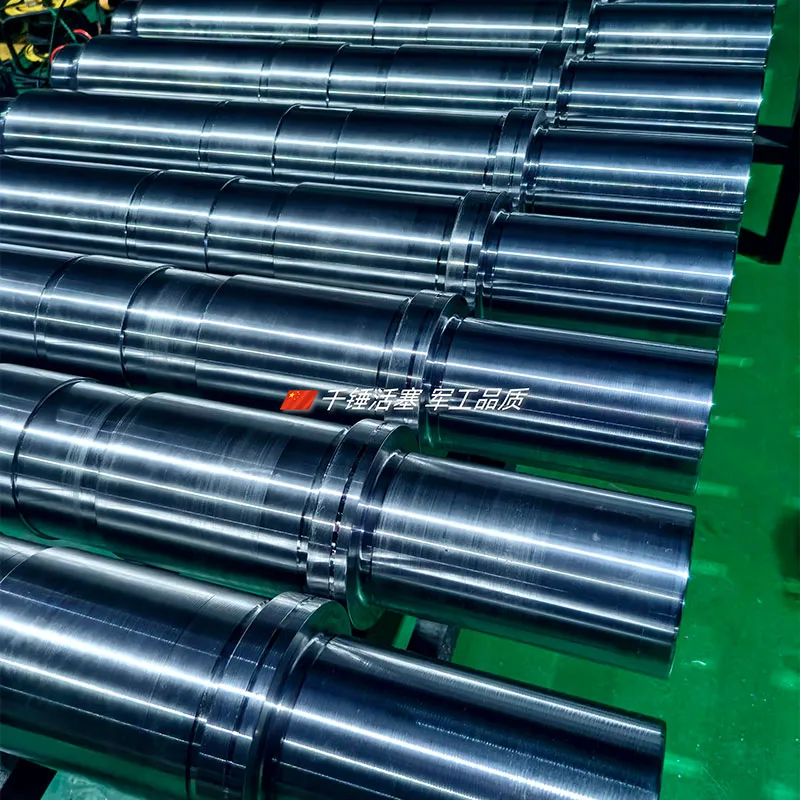
The choice of piston material is a matter of safety and economics. Conventional structural steels cannot withstand cyclic loads 24/7. At Mianyang Qianchui Mechanical Equipment Co., Ltd., we use special military-grade alloy steel that has undergone multi-stage case hardening. This process creates a layer of high hardness (up to 60–62 HRC) on the surface of the part, while maintaining a tough core that can absorb shock loads without breaking.
Why is this important to you? Because standard 40X or 45 steel pistons often experience surface spalling after 500 hours of operation. The case hardening we use on Furukawa and Atlas compatible models increases the depth of the hardening layer, making the part immune to abrasive wear from contaminated oil. In addition, low-temperature tempering relieves internal stresses, preventing the formation of fatigue cracks.
We conducted comparative tests where pistons made of ordinary steel began to lose geometry already at the 300th hour, while our products made of special steel showed stable characteristics up to 2500 hours. For the mining industry, where work takes place in ultra-hard rock conditions, this difference means months of uninterrupted operation. Don’t skimp on materials: the price of a high-quality piston is paid off by the lack of downtime and the preservation of the life of the hammer itself.
The influence of hydraulic fluid on piston life
The quality of the oil directly affects the service life of the friction pair. Contaminated oil works like sandpaper. According to laboratory studies, 70% of hydraulic equipment breakdowns are associated with low quality working fluid. The oil cleanliness class must comply with ISO 4406 no worse than 18/16/13. If you see metal shavings or emulsion (water) in the oil, replace the filter immediately and drain the fluid.
Temperature conditions are also critical. When operating in winter conditions (below -20°C), use oils with a low viscosity index, otherwise the piston will move with difficulty, causing the pump to overload. In summer, at temperatures above +40°C, make sure that the cooling system is working properly. Overheating the oil reduces its viscosity, which leads to increased clearances and reduced impact efficiency. We recommend installing additional heat exchangers on equipment operating in the hot climate of the Middle East or Central Asia.
Regular oil analysis helps predict breakdowns before they occur. Spectral analysis can reveal the presence of wear elements (iron, chromium, copper) even before visible symptoms appear. Implement the practice of monthly sampling into your service policy. This is a cheap way to avoid costly repairs.
Specifics of operation in extreme conditions
Working in different industries leaves its mark on service requirements. In tunneling, for example, the main problem is high dust and humidity. Dust gets into the seals and accelerates rod and piston wear. Here it is necessary to change the boots more often and use lubricants with high adhesive properties. Our clients working on subway construction note that regular lubrication of components every 8 hours of work increases the service life by 25%.
In granite or basalt quarries, the main load falls on the impact part. Here, not only the hardness of the piston is important, but also its impact strength. Our QC600 model, developed for drill rods and heavy hammers, performs well in these conditions thanks to its optimized balance of hardness and strength. When working with reinforced concrete, high-frequency vibrations occur, which can weaken threaded connections. Regular tightening of bolts and the use of thread lockers are mandatory.
For offshore projects where equipment is exposed to salt fog, anti-corrosion protection is critical. All external surfaces must be coated with special compounds, and the internal cavities must be filled with inhibited oil. Ignoring this requirement leads to corrosion of the cylinder from the inside, which makes replacing the piston pointless without restoring the liner.
| Parameter | Standard solution | Premium solution (Mianyang Qianchui LLC) | Impact on resource |
|---|---|---|---|
| Material | Steel 45, high-frequency hardening | Military grade alloy steel, carburization | +150% to wear resistance |
| Processing accuracy | IT7-IT8 | IT5-IT6 (CNC) | Reduces the risk of jamming by 90% |
| Seals | Standard polyurethane | Reinforced Teflon/Viton | Operability at -40°C…+120°C |
| Quality control | Selective | 100% geometry and hardness check | Exclusion of manufacturing defects |
Frequently Asked Questions
How often should a hydraulic hammer piston be replaced?
The service life depends on operating conditions and quality of maintenance. On average, a high-quality piston lasts from 1500 to 2500 hours. However, when working with particularly hard materials or in aggressive environments, this period can be reduced to 800 hours. The main indicator of the need for replacement is a decrease in impact power and the appearance of a metallic knock that cannot be eliminated by adjusting the pressure. Don't wait for complete failure; plan replacement proactively.
Is it possible to repair an old piston instead of buying a new one?
It is theoretically possible to restore the geometry by chrome plating or grinding, but in practice this is rarely economically feasible. The cost of restoration often reaches 70% of the price of a new product, and the service life of a restored part is no more than 30% of the original. The exception is rare models, where delivery times for new spare parts are critically long. In most cases, purchasing a new piston, such as one compatible with SOOSAN or Montabert, is a more reliable solution.
What signs indicate an incorrect piston installation?
The main symptoms: uneven heating of the hammer body, oil leaks through the seals immediately after starting, a characteristic whistle during operation. This is often a consequence of piston misalignment or damage to seals during installation. If you notice these signs during the first hours of operation, immediately stop the equipment and re-diagnosis. Continued operation will result in cylinder destruction and other serious damage.
What is the difference between pistons for different brands of hammers?
The differences lie in the geometry of the oil supply channels, the shape of the impact part and the size of the seals. For example, pistons for Japanese Furukawa hammers often have a specific lubrication system that differs from their European Montabert counterparts. Using the wrong piston disrupts the hydraulic cycle, leading to loss of impact energy or dry firing. Always check part number and compatibility before ordering.
Conclusion: Investing in Reliability
Servicehydraulic hammer pistonis not just a technical procedure, but a strategic decision that affects the profit of your business. Selecting quality components manufactured to military-grade precision and heat treatment standards ensures stable operation in the harshest environments. Mianyang Qianchui Mechanical Equipment LLC is ready to offer solutions that have stood the test of time and stress in real projects from Siberia to the deserts of Arabia.
Don't risk your equipment for dubious savings. Entrust the supply to professionals who understand the physics of the process and the value of every minute of your equipment. We provide full compatibility with the world's leading brands and guarantee compliance with the declared characteristics.
Contact us today to get advice on selecting the optimal components for your fleet and to discuss delivery terms.Catalog of pistons for hydraulic hammersavailable for review on our website.