
-


-
-


-


whatsapp

-
WeChat

Пожалуйста, оставьте нам сообщение
OEM Hammer Piston Suppliers
2026-05-23
- Criteria for selecting a supplier of pistons for hydraulic hammers
- Metallurgy and Processing Technologies: Why Military Grade Steel Changes Project Economics
- Compatibility with leading brands and technical nuances of replacement
- Comparative analysis: original spare parts versus high-quality analogues
- Typical operating errors and methods for extending service life
- Supply organization and logistics solutions for industrial enterprises
Criteria for selecting a supplier of pistons for hydraulic hammers
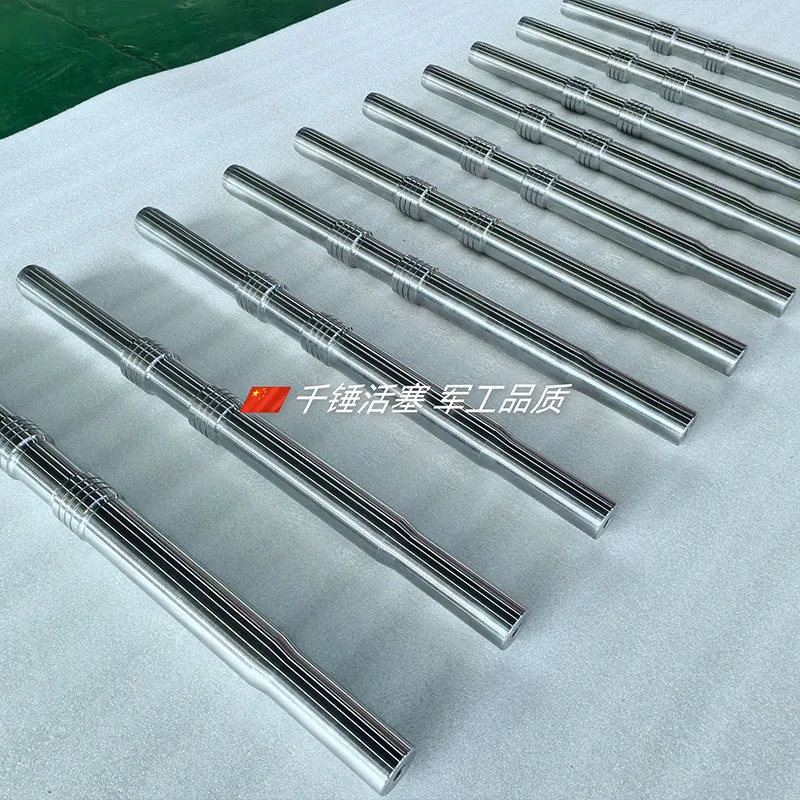
Finding a reliable partner for purchasing spare partshydraulic hammer pistonis not just a comparison of prices in catalogues, but an assessment of the risks of downtime of expensive equipment. In our practice, we have seen cases where saving 15% on the cost of a part led to the failure of the entire hydraulic cylinder after two weeks of operation, which increased the total costs by five times. The market is oversaturated with offers where the stated characteristics do not correspond to reality, especially in the segment of compatible analogues for brands like Soosan or Montabert. The key problem lies in metallurgy: the visual similarity of the part does not guarantee the same crystal lattice of the steel and the depth of the cementation layer. If you choose a supplier based on list price alone, ignoring heat treatment reports, you are buying a lottery ticket, not an industrial component.
A professional approach requires checking three fundamental parameters before placing an order: the chemical composition of the alloy, the surface hardening technology and the accuracy of geometric tolerances. We recommend requesting steel melting certificates and impact strength test reports from the manufacturer. For Russian operating conditions, where temperatures range from -40°C to +40°C, the presence of low-temperature tempering, which relieves internal stresses after hardening, is critically important. A supplier that cannot provide this data in digital terms is automatically classified as unreliable. Your task is to find a company that can confirm compliance with GOST or international ISO standards in documents, and not in words.
Metallurgy and Processing Technologies: Why Military Grade Steel Changes Project Economics
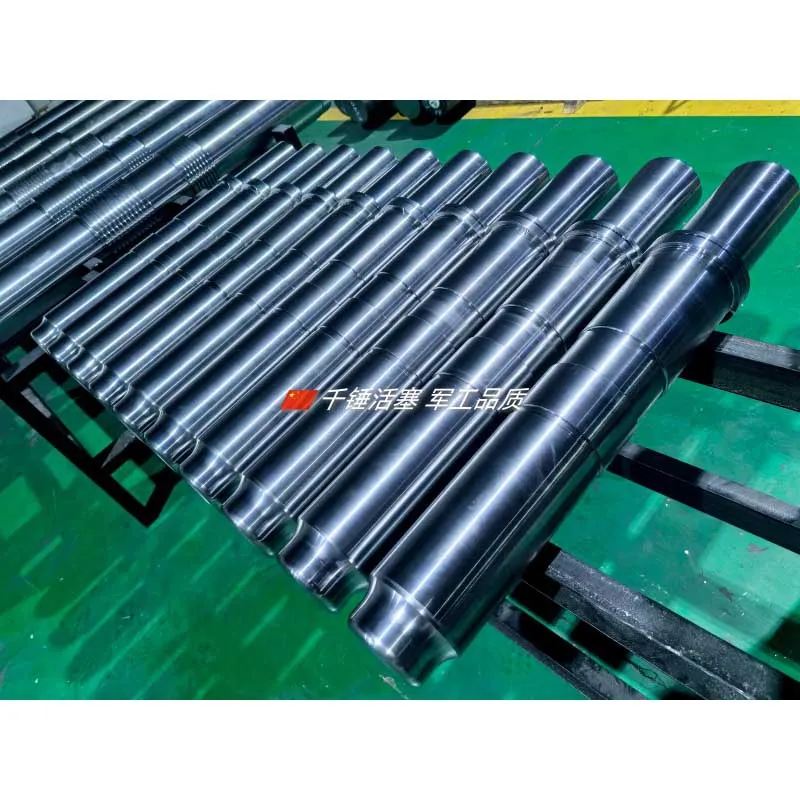
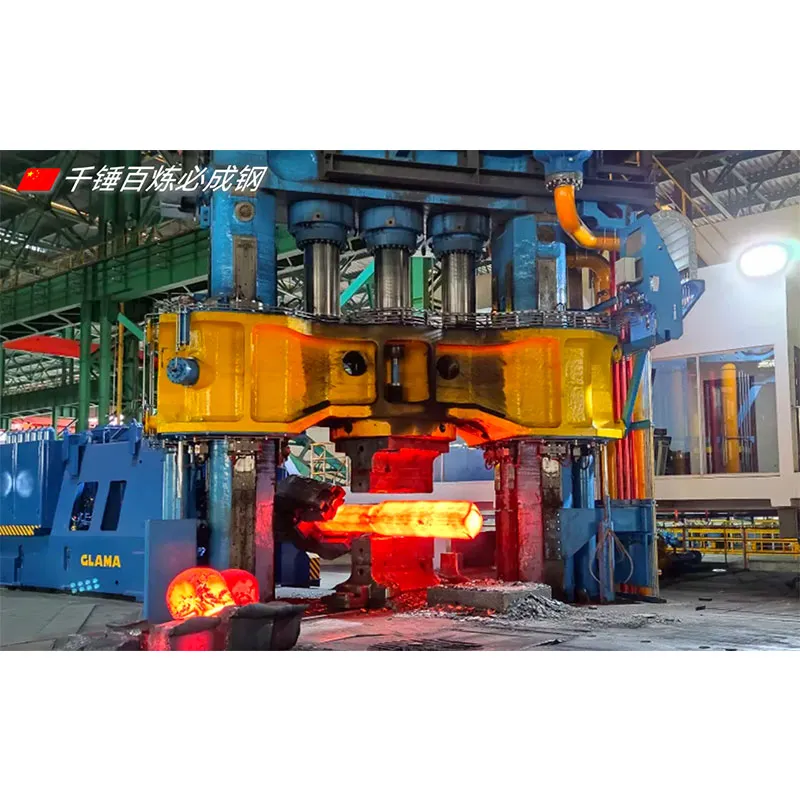
The main reason for premature wear of the pistons lies in the incorrect selection of material and violation of heat treatment conditions. Standard structural steel solutions often do not withstand the cyclic loads of granite or basalt. Unlike mass production, specialized enterprises such as Mianyang Qianchui Mechanical Equipment Co., Ltd. use special military-grade alloy steels. This material was originally developed for extreme conditions, including high dynamic loads in artillery systems and rocketry, which provides exceptional strength and wear resistance to products. The use of such raw materials allows you to increase the service life of the part by 40-60% compared to conventional analogues.
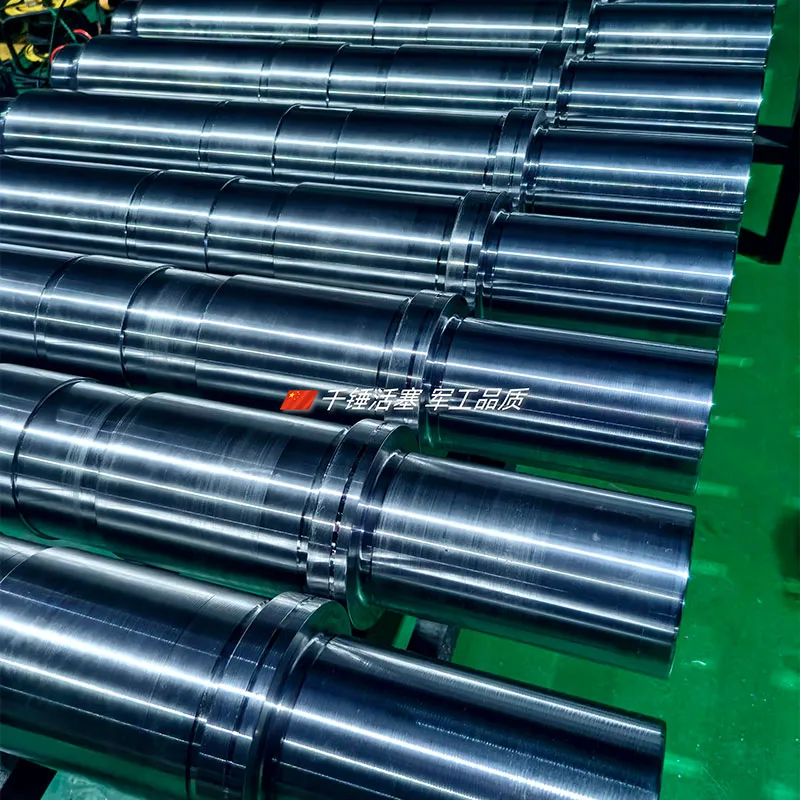
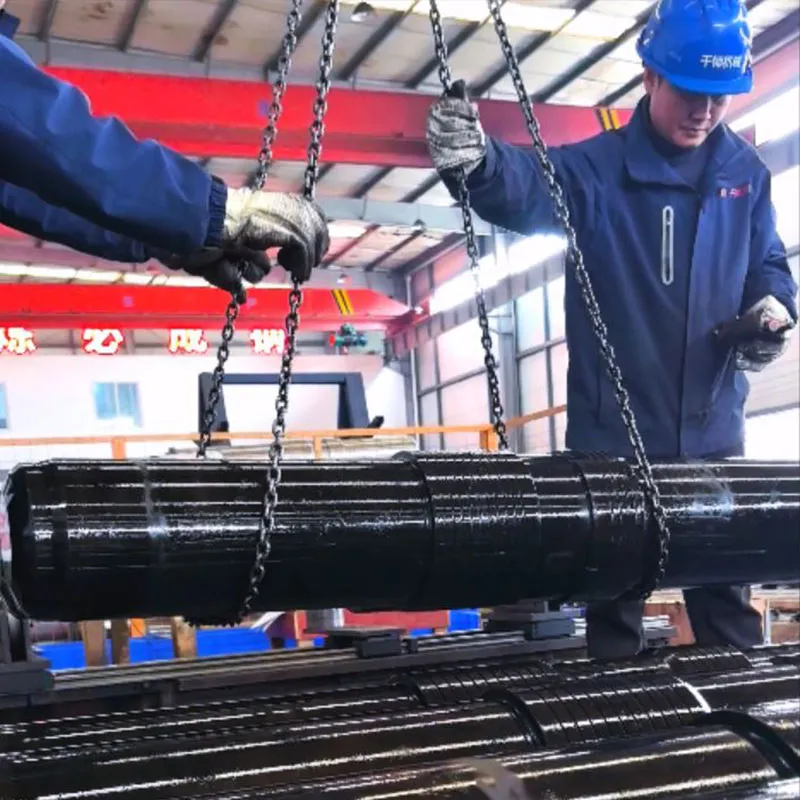
The piston manufacturing process involves a multi-stage case hardening process that creates a hard outer layer while maintaining a tough core. This combination prevents brittle failure of the part due to high energy impacts. Precision CNC machining ensures micron tolerances are maintained, which is critical to the tightness of the hydraulic system. Any deviation in shape leads to misalignment of the piston in the cylinder, causing scuffing and loss of pressure. Quality control is carried out at all stages - from incoming control of raw materials to the final check of geometric parameters, surface hardness and impact strength. The company has its own testing laboratory and meets international quality standards, confirmed by a valid certificate of conformity.
It is important to understand the difference between surface hardening (TVCH) and deep carburization. The first gives hardness only at a depth of 0.5-1 mm, while the second provides a hardened layer up to 2-3 mm, which significantly extends the life of the friction pair. When choosing a supplier, check the depth of the hardened layer: for heavy hammers it should be at least 1.8 mm. Ignoring this parameter leads to the fact that after the first grinding or the appearance of microcracks, the part loses its properties. We insist that the specification for the order clearly states the required hardness profile across the cross-section of the part.
Compatibility with leading brands and technical nuances of replacement
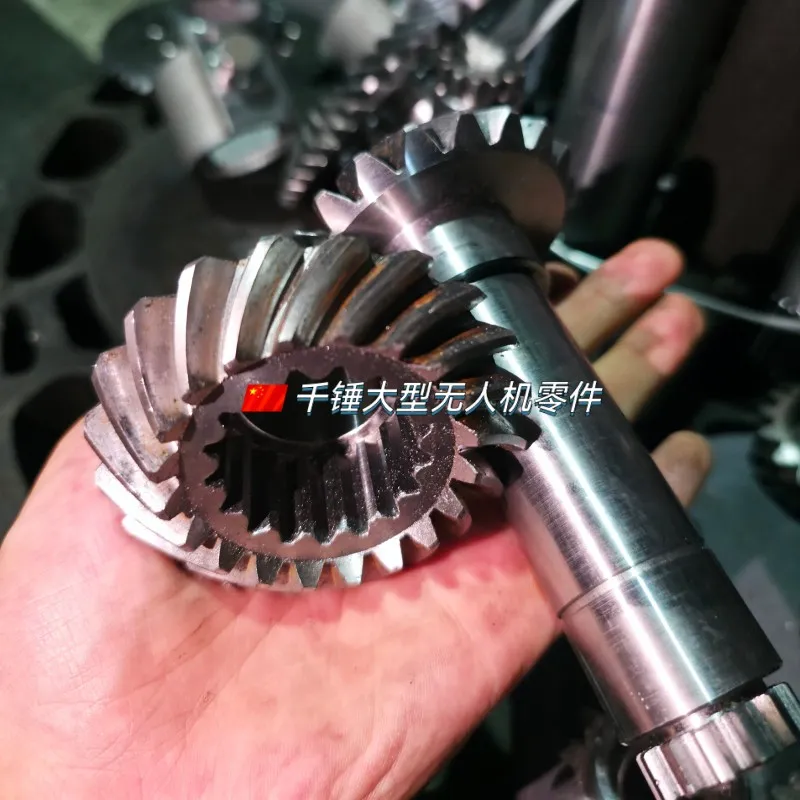
The hydraulic equipment market is fragmented by many brands, each with their own design features. The company's main product is hydraulic breaker pistons, compatible with the world's leading brands: DAEKKO, BEILITE, Montabert (French series), Furukawa (Japanese brand), Atlas (American series) and SOOSAN (South Korean brand). However, simple labeling “compatible with...” is often misleading. For example, pistons for Korean Soosan hammers of the SBL and SB series have differences in the length of the shank and the diameter of the sealing grooves, even within the same weight category. An error in selection of 0.1 mm can lead to impossibility of assembly or instant destruction of the seals.
Among the series solutions, the model 616S piston and the QC600 drill rod core deserve special attention - they are widely used in the mining industry, tunnel boring, hydraulic construction and stone work in ultra-hard rock conditions. These models are designed to work in abrasive environments where regular steel wears out in a matter of shifts. When ordering analogs, you must provide not only the hammer model, but also the serial number or drawing of the old part. Manufacturers often make design changes during upgrades, and older catalogs may contain outdated information. We recommend taking photos of markings and key components before sending a request to the supplier.
Logistics and delivery times play a decisive role during emergency downtimes. Thanks to well-functioning logistics and flexible production capacities, a stable supply of ordered components is ensured both under regular contracts and for urgent requests. The company's sales market covers the CIS countries, Europe, Asia and the Middle East. Mianyang Qianchui Mechanical Equipment LLC cooperates directly with construction equipment manufacturers, service centers, military-industrial enterprises and contractors implementing large infrastructure and defense projects. The service policy is based on the principles of technical support, prompt response to customer requests and provision of advice on the selection of optimal components, taking into account specific operating conditions.
Comparative analysis: original spare parts versus high-quality analogues
The choice between an original piston from the hammer manufacturer and an independent high-quality analogue is a dilemma for every buyer. Original parts are guaranteed to meet specifications, but are often overpriced by 200-300% due to branding and dealer markups. High-quality analogues from specialized factories using the same steel grades and technologies can offer identical performance characteristics at half the cost. However, the market is flooded with cheap fakes that only imitate the appearance. Below is a table comparing the key parameters of the various delivery options.
| Comparison parameter | Original Brand (OEM) | High quality analogue (Military Steel) | Cheap market analogue |
|---|---|---|---|
| Material | Special alloy steel | Military grade special steel (analog) | Structural steel (45, 40Х) |
| Surface hardness | HRC 58-62 (stable) | HRC 58-62 (certified) | HRC 50-55 (floating values) |
| Hardening depth | 2.0 – 2.5 mm | 1.8 – 2.2 mm | 0.5 – 0.8 mm (superficial) |
| Resource (motor hours) | 100% (base) | 90-110% (depending on conditions) | 40-60% |
| Price | High (100%) | Average (45-55%) | Low (20-30%) |
| Warranty | 12 months | 6-12 months | Absent or 1 month |
Analysis of the table shows that a high-quality analogue is the most cost-effective solution for intensive use. The difference in service life between the original and a proven analogue is often within the measurement error, while the difference in price allows you to purchase spare parts for future use. Cheap options are only suitable for low-intensity auxiliary work or for selling equipment before decommissioning. The company's strategic goal is to strengthen its position as a reliable partner in the field of highly reliable mechanical components, capable of ensuring stable quality and technological relevance of its products in the long term. Key benefits include manufacturing from specialty military-grade alloy steel, advanced case hardening, and broad compatibility with global brands.
Typical operating errors and methods for extending service life
Even the highest quality piston will fail prematurely if the operating rules of the hydraulic hammer are violated. The most common mistake is working the tool “idle” when the striker is not in contact with the material. This leads to dry friction and overheating of the piston-cylinder pair, destroying the oil film. In our practice, there was a case when a new batch of pistons failed within 20 operating hours precisely because of the habit of operators to check the operation of the hammer on weight. Another common problem is using the wrong hydraulic oil or not changing oil change intervals. Contaminated oil acts as an abrasive, accelerating wear on seals and metal surfaces.
Improper installation also occupies a leading position in the list of causes of breakdowns. Installing the piston without proper lubrication with mounting paste or with a misalignment during pressing creates stress spots that develop into cracks under load. It is important to observe the tightening torque of fasteners and use a torque wrench. In addition, it is necessary to monitor the pressure in the hydraulic system: operating above the nominal pressure increases the shock load on the piston exponentially. Regularly checking the condition of the battery and valve group will help avoid water hammer, which is detrimental to precision parts.
To extend service life, it is recommended to visually inspect the piston at every tool change or every 250 operating hours. Pay attention to the presence of scoring, discoloration (a sign of overheating) and wear in the seal area. Timely replacement of oil seals will prevent dirt from getting inside the cylinder. If you notice a decrease in impact power or unusual noise, stop operation immediately and have it checked. Preventive maintenance costs tens of times less than repairing the entire hydraulic hammer. An integrated approach to production, including control from raw materials to finishing, allows us to guarantee stability of characteristics, but proper operation remains the responsibility of the user.
Supply organization and logistics solutions for industrial enterprises
A stable supply of spare parts is critical to the continuity of construction and mining projects. Downtime of an excavator with attachments due to the lack of one piston can cost the company hundreds of thousands of rubles per day. Therefore, it is important to build relationships with suppliers who can provide both regular planned deliveries and prompt response to emergency requests. Flexible production facilities allow you to create orders for specific customer needs, minimizing inventory and freezing of working capital. We work according to the JIT (Just-In-Time) scheme for large contracts, synchronizing shipments with the maintenance schedule of your equipment.
The logistics chain from the factory in Mianyang to the customer site in Russia or the CIS countries has been established for years and includes all the necessary customs procedures and certification. The product is accompanied by a full package of documents, including certificates of conformity and quality certificates for each batch. This eliminates problems when accepting cargo and allows you to easily put spare parts on the balance sheet of the enterprise. For remote regions, we offer optimized delivery routes that combine air and railway transport, which allows us to reduce the time required to receive cargo to 15-20 days. Direct cooperation with construction equipment manufacturers and service centers gives us an understanding of the real needs of the market and allows us to keep popular items in stock.
When placing an order, take into account seasonality and your work plans: during peak construction seasons, demand for certain models increases, which may affect shipment times. We recommend concluding framework agreements with fixed prices and priority rights to shipment. This will protect your budget from currency fluctuations and ensure that you have the components you need. Our management team is ready to audit your fleet of equipment and offer an individual supply program that will reduce the total cost of equipment ownership. Contact us today to discuss the details of cooperation and receive a commercial offer forhydraulic hammer pistontailored to your specific requirements.