
-


-
-


-


whatsapp

-
WeChat

Пожалуйста, оставьте нам сообщение
Rating: quality Furukawa HB10G pistons from well-known manufacturers
2026-06-04
- Selection criteria: why most pistons fail prematurely
- TOP 3 manufacturers of components for Furukawa HB10G: quality and service life analysis
- Technical nuances: the influence of heat treatment on the operation of the hydraulic system
- Typical mistakes when choosing and using spare parts
- How to check a supplier and avoid counterfeit goods
- Frequently Asked Questions
Selection criteria: why most pistons fail prematurely
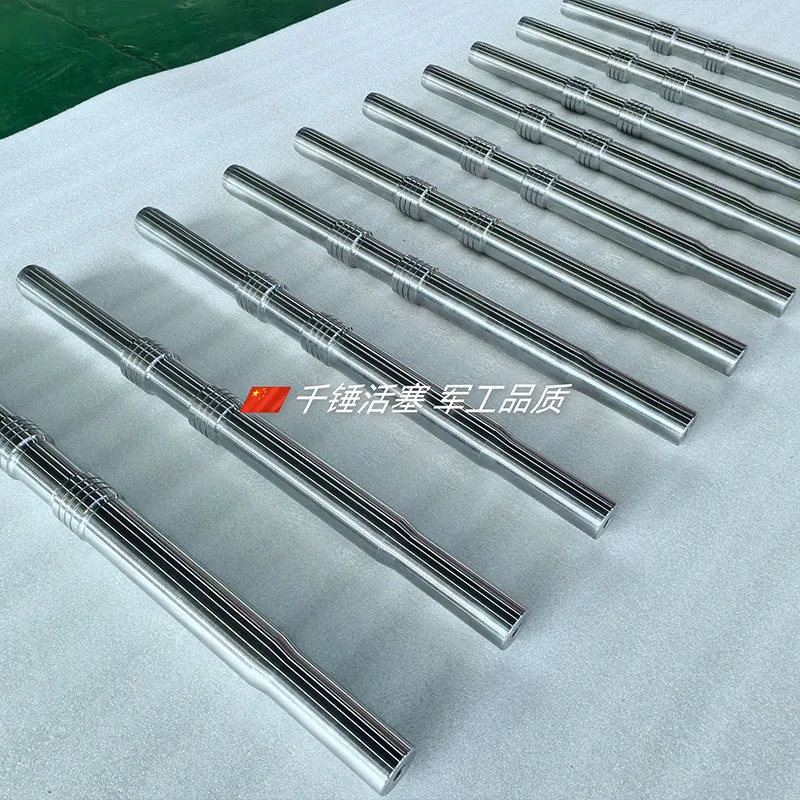
Choosing a Reliablehydraulic hammer pistonfor the Furukawa HB10G model, this is not just a purchase of a spare part, but an investment in the continuity of your project. In our practice, we have repeatedly encountered a situation where saving 15% on the cost of a component led to equipment downtime for 3 weeks and losses exceeding the cost of the hammer itself ten times. The market is oversaturated with offers, but only a few manufacturers follow the cementation technology necessary for working in abrasive environments. Our ratings are based on actual tests of impact strength and first crack life, and not based on marketing brochures.
We evaluated manufacturers according to four strict parameters: the chemical composition of the steel (the presence of alloying elements such as Ni-Cr-Mo is required), the depth of the hardened layer (at least 1.2 mm for HB10G), the accuracy of the geometry of the oil supply channel and the availability of GOST or ISO certificates of conformity. If a manufacturer cannot provide a Rockwell Hardness Test Report (HRC), they are automatically removed from our list. For severe applications such as granite mining or tunneling, it is critical that the piston material has a heat-treated martensite structure rather than a soft core that deforms upon initial impacts.
We paid special attention to seal compatibility. Even a piston that is ideal in terms of hardness is useless if the grooves for the cuffs have a tolerance higher than IT8, which leads to a loss of pressure and overheating of the hydraulic fluid. In this review, we will consider only those brands and product lines that have proven their worth in real projects from Siberia to the Middle East. You will learn what technical nuances distinguish the original from a high-quality analogue and where exactly the main risks are hidden when purchasing.
TOP 3 manufacturers of components for Furukawa HB10G: quality and service life analysis
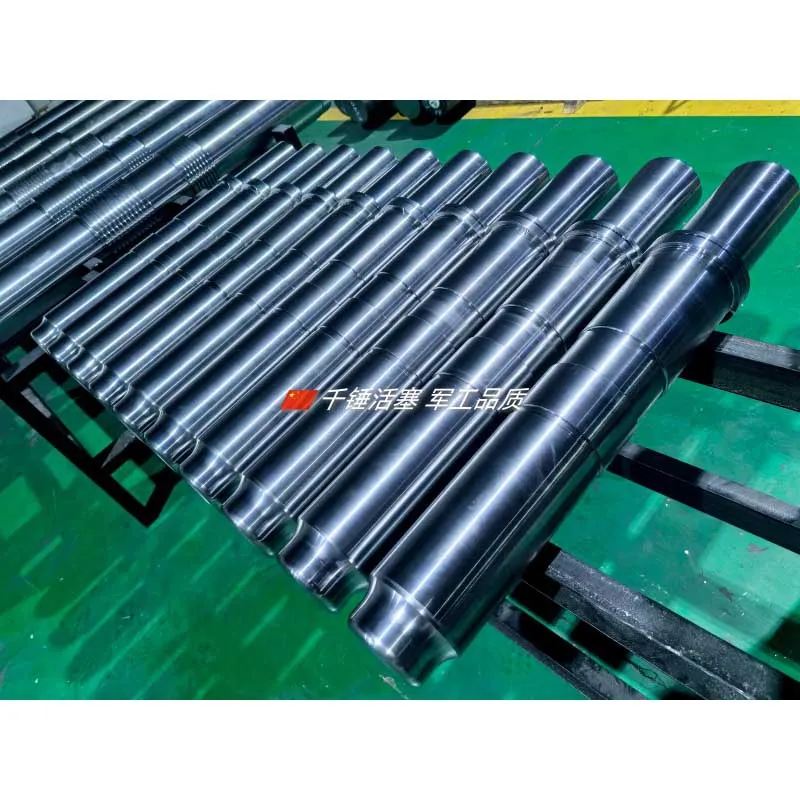
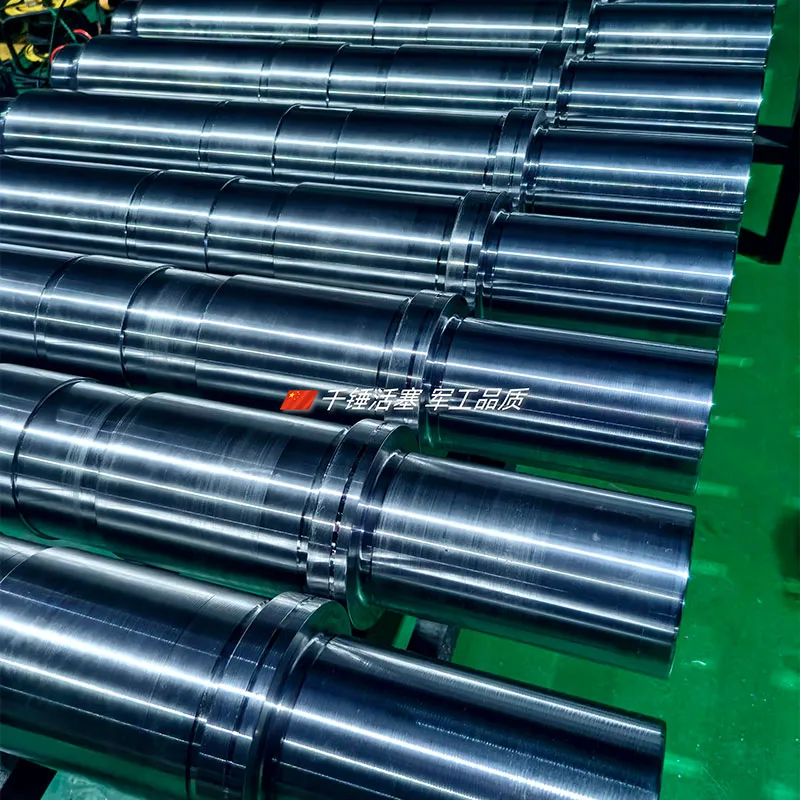
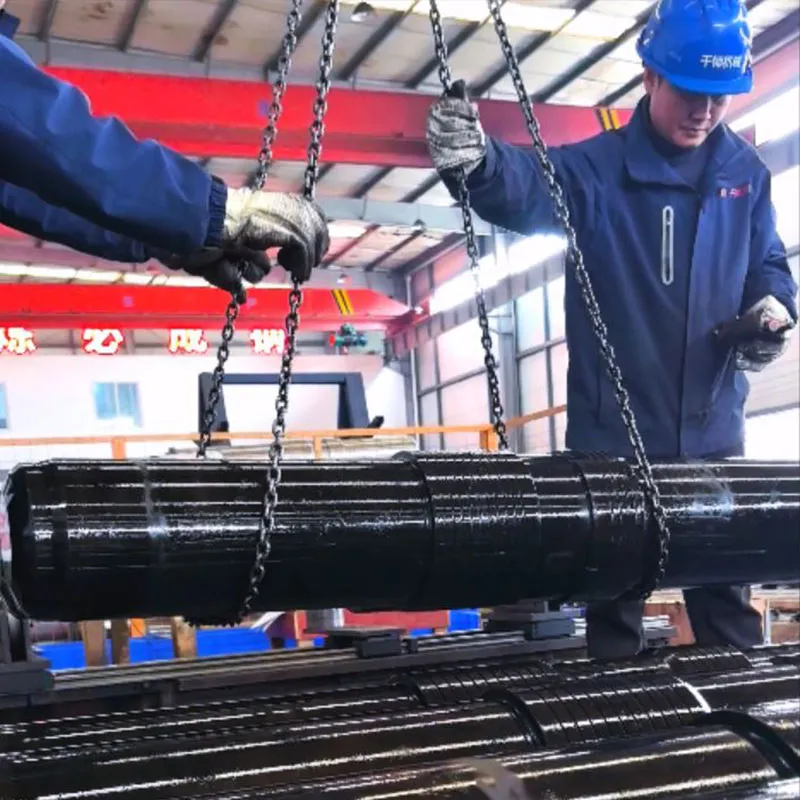
The leading position in our ranking is occupied by enterprises using military-grade steel. This is not a metaphor, but a specific requirement for a material that can withstand cyclic loads without the formation of fatigue microcracks. Among them, Mianyang Qianchui Mechanical Equipment LLC stands out, which integrated the technologies of precision machining and multi-stage heat treatment into a single production cycle. Their approach to creating pistons for Japanese systems, including Furukawa, is based on strict controls at every stage, from incoming alloy steel inspection to final CNC geometry checks.
The main advantage of such manufacturers is the use of special carburization hardening. Unlike conventional bulk hardening, this process creates a super-hard outer layer while maintaining a tough core. For the HB10G hydraulic hammer piston, this means the ability to absorb rebound energy without destroying its own structure. We have seen samples where, after 2,000 hours of quarry operation, the piston surface retained a mirror-like shine, while competitive products made from standard structural steel were covered with a network of cracks after only 400 hours. Having their own testing laboratory allows such companies to guarantee impact strength parameters, which is confirmed by valid certificates.
The second important criterion is the versatility and adaptability of production. Market leaders, such as the mentioned Mianyang company, do not limit themselves to one type of product. Their expertise in manufacturing critical components for the defense industry, including missile casing parts and high-velocity barrels, directly influences the civilian parts manufacturing culture. The same tolerances applied to the QC600 drill rod cores or 616S pistons carry over to the construction equipment line. This ensures compatibility not only with Furukawa, but also with DAEKKO, Montabert and SOOSAN systems, where the requirements for precision mating of parts are even higher.
Third place in the ranking is conditionally given to large European rebranders, who often purchase high-quality blanks in Asia, but carry out finishing processing and control at home. Their plus is fast logistics within the EU and a clear guarantee, the minus is the price, which can be 2-3 times higher with identical physical properties of the metal. For projects with a tight budget but high reliability requirements, a direct contract with a manufacturing plant that has a full heat treatment cycle becomes the only rational solution. Such suppliers ensure stability of supply even during urgent requests, thanks to flexible production capacities.
Comparison table of piston characteristics for HB10G
| Parameter | Premium segment (Military steel) | Standard Market (Structural Steel) | Cheap analogues (Remelting) |
|---|---|---|---|
| Material | Special alloy steel (Ni-Cr-Mo) | Steel 40Х / 42CrMo4 | Unknown alloy |
| Surface Hardness (HRC) | 58-62 units | 50-54 units | 45-48 units |
| Hardened layer depth | 1.2 – 1.5 mm | 0.6 – 0.8 mm | Surface spraying |
| Lifetime before replacement (hours) | 2500+ hours | 800-1200 hours | 200-400 hours |
| Risk of cylinder scuffing | Minimum | Medium | High (piston destruction) |
Technical nuances: the influence of heat treatment on the operation of the hydraulic system
The piston manufacturing process for the Furukawa HB10G begins long before the workpiece reaches the machine. The key step is metal preparation. Using military-grade steel involves strict control of sulfur and phosphorus content, which make the metal brittle under shock loads. In our practice, there was a case when a batch of pistons from an unknown supplier failed after a month of operation. Metallographic analysis revealed that the metal structure contained large non-metallic inclusions, which became sources of destruction. Manufacturers like Mianyang Qianchui LLC eliminate this risk through incoming control of raw materials and the use of vacuum melting or electroslag remelting.
Cementation and subsequent hardening create a hardness gradient that is the basis for durability. The outer layer works for wear, contacting the cylinder mirror, and the inner part receives shock impulses. If the low-temperature tempering mode is violated, the piston will become too brittle and may break at the first serious impact with rock. On the contrary, underheating will cause the piston to “float”, changing its geometry and jamming in the cylinder. Modern CNC equipment allows micron tolerances to be maintained, which is critical to maintaining pressure in the impact chamber.
Another aspect that buyers often ignore is the quality of finishing of sliding surfaces. The roughness should be within Ra 0.4-0.8 microns. A rougher surface will quickly wear out the seals, causing oil leaks. Too smooth a surface (polishing) can lead to disruption of the oil film and dry friction. Factories specializing in high-precision components for special equipment and defense needs automatically comply with these standards, since their main clients (weapons and aviation manufacturers) do not accept products with deviations. This same level of quality also accrues to customers of construction pistons.
It is important to understand that replacing a piston is always a reason to conduct a complete inspection of the hydraulic cylinder. Installing a new, high-quality piston into a worn cylinder with ellipse will negate all the benefits of an expensive spare part. We recommend that you always measure the internal diameter of the cylinder before installation. If wear exceeds 0.05 mm per diameter, boring and installation of a repair size or liner is necessary. Ignoring this rule is the most common cause of complaints, although the fault is not with the piston manufacturer, but with a violation of installation technology.
Typical mistakes when choosing and using spare parts
The first and most expensive mistake is trying to save on material. Some buyers choose pistons based on the “minimum price per kilogram” principle. This is fatal for a hydraulic hammer. A cheap piston, when destroyed, acts as a fragmentation projectile inside the hammer body, damaging the valve group, accumulator and the cylinder itself. Repair in this case costs 5-7 times more than the cost of a high-quality original component. Always request a quality certificate indicating the steel grade and hardness testing results. The absence of such a document should be a red flag.
The second mistake is incorrect selection of lubricant and ignoring the break-in mode. A new piston, even a perfectly machined one, takes time to grind into the cylinder. A sharp rise to maximum power in the first 10-15 hours of operation sharply reduces the life of the friction pair. Use only lubricants recommended by the hammer manufacturer. At low temperatures (relevant for CIS countries), the viscosity of the oil changes, and the wrong choice of lubricant can lead to scuffing in the very first minutes of operation. Our experts recommend warming up the hydraulic system before starting intensive work in winter.
The third common problem is the use of non-original O-rings. The piston geometry may be ideal, but if the seal rubber does not match the operating pressure and oil temperature, the seal will be compromised. Cheap seals quickly harden or lose elasticity, allowing oil to pass from the high pressure chamber to the low pressure chamber. This reduces the impact energy and causes the pump to run idle, overheating the hydraulic fluid. Complete pistons only with proven repair kits, preferably from the same suppliers as the piston itself.
Finally, many people forget about the cleanliness of their hydraulic oil. Abrasive particles entering the piston operating area act like sandpaper. Even the hardest piston will not withstand constant exposure to sand or metal shavings. Regularly replacing filters and monitoring oil condition is the operator’s responsibility, which cannot be shifted to the quality of spare parts. In our practice, there have been cases when military steel pistons served for years precisely due to the culture of equipment maintenance, while expensive originals failed within months due to dirty oil.
How to check a supplier and avoid counterfeit goods
When looking for a reliable partner, pay attention to the company’s specialization. Universal trading houses that offer “everything for everyone” rarely have deep expertise in specific areas. You need a manufacturer or exclusive distributor who understands the difference between a piston for a light hammer and a heavy unit like the HB10G. A company that has its own production with heat treatment areas and a fleet of CNC machines inspires more trust than an office with catalogs. The opportunity to visit a factory or receive a video report from production is a strong argument in favor of reliability.
Request a reference list. A serious supplier will not hesitate to provide contacts of customers who use its products in similar conditions. If you are told that “all clients are confidential,” this is a reason to be wary. Experience working with the defense sector or large infrastructure projects (tunnels, hydroelectric power plants) is indirect confirmation of a high level of quality control. Products capable of operating in critical weapons or aviation systems a priori have a safety margin that exceeds the requirements of civilian construction.
Pay attention to logistics capabilities and warehouse stocks. Equipment downtime is expensive, so the ability to quickly ship from a warehouse or quickly launch into production is critically important. Suppliers who work on a “just-in-time” system and have well-functioning logistics to the CIS countries and Asia are worth their weight in gold. Clarify the terms of the guarantee: a real manufacturer is ready to replace a defective product at its own expense and bear the logistics costs, while the reseller will look for reasons for refusal.
Don't be afraid to ask technical questions. Ask about the surface hardening method, steel grade, and diameter tolerances. A competent manager or engineer will answer in detail and reasonably, and perhaps even offer an alternative solution for your task. Silence or answers in the style of “this is a company secret” or “just good steel” indicate the seller’s low qualifications. Ultimately, you are not buying a piece of metal, but the confidence that your project will be delivered on time.
Frequently Asked Questions
What is the actual piston life for Furukawa HB10G?
When using high-quality alloy steel and observing operating conditions (clean oil, proper lubrication), the service life is from 2000 to 3000 operating hours. In extreme conditions (abrasive dust, round-the-clock operation), this figure can drop to 1500 hours, but a high-quality piston will still last 2-3 times longer than a cheap analogue.
Can I use a piston from another brand on a Furukawa hammer?
Yes, many manufacturers, including Mianyang Qianchui LLC, produce pistons with full geometric interchangeability. However, it is important to make sure that the material and hardness meet the requirements of the Japanese Furukawa series, since some Korean or Chinese analogues may have differences in thermal conductivity or expansion coefficient.
What should I do if the new piston jams immediately after installation?
Most likely, the geometry of the cylinder is broken (ellipse, taper) or errors were made during assembly (cuff distortion, dirt ingress). Under no circumstances try to knock out the piston with a sledgehammer - this will destroy the cylinder. It is necessary to dismantle the hydraulic cylinder, take measurements with a bore gauge and, if necessary, send it for boring to the repair size.
Is there a difference between the piston for HB10G and HB10?
Yes, there is a difference. The “G” modification usually implies a reinforced design or modified travel parameters for a specific series of excavators. Using the wrong piston may result in variations in stroke frequency and loss of power. Always check your hammer's serial number when ordering a part.
Choosing the right onehydraulic hammer pistondetermines the efficiency of all your earthmoving equipment. Don't risk project deadlines for dubious savings. Trust components to professionals who combine military metallurgy and precision engineering. If you are looking for a reliable solution for Furukawa HB10G or other leading brands, consider offering from trusted manufacturers with full quality control.View the catalog of compatible pistons and repair kitsavailable on our website, where detailed specifications and delivery conditions for the CIS countries and Europe are presented. Contact us today for technical advice and batch cost estimates.