
-


-
-


-


whatsapp

-
WeChat

Пожалуйста, оставьте нам сообщение
Application of Hydraulic Hammer Piston in Mining Industry
2026-06-08
- The Critical Role of Hydraulic Hammer Piston in Hard Rock Mining
- Physics of wear and requirements for materials in extreme conditions
- Application of Hydraulic Hammer Piston in Specific Industry Scenarios
- Production technologies and quality control: from blank to finished product
- Logistics, service and long-term partnership strategy
The Critical Role of Hydraulic Hammer Piston in Hard Rock Mining
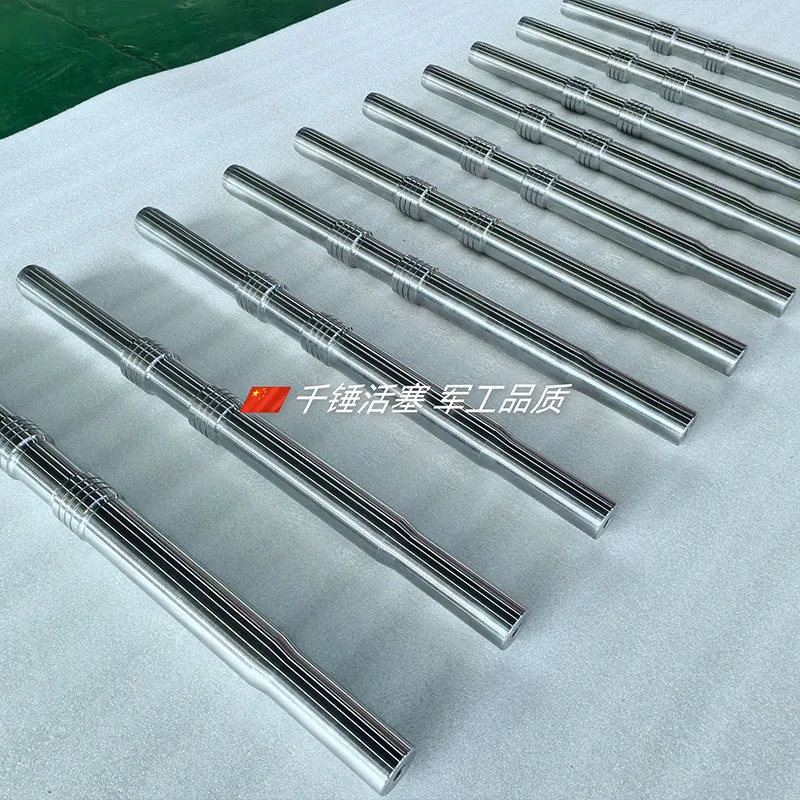
In today's mining industry, where equipment downtime is measured in thousands of dollars per hour,hydraulic hammer pistonceases to be just a consumable material and becomes a key element in the economic efficiency of the project. We observe a direct correlation between the quality of the metallurgy of this component and the overall resource of the attachment: replacing a low-quality piston every 300 operating hours instead of the required 1,500 turns the operation of an excavator into an unprofitable enterprise. In our practice, there have been cases where the use of cheap analogues led to catastrophic destruction of the hammer body due to a violation of the impact geometry, which required a major overhaul of the entire hydraulic system. This is why selecting a supplier that can guarantee military strength standards is a strategic decision for any granite, basalt or quartzite contractor.
The main function of the piston is to convert the energy of the hydraulic fluid flow into the kinetic energy of the striker impact. This process is accompanied by colossal dynamic loads that exceed static values by tens of times. If the piston material does not have sufficient core toughness with high surface hardness, it will inevitably suffer fatigue failure. Companies such as Mianyang Qianchui Mechanical Equipment Co., Ltd., which specialize in producing high-precision components using military metallurgy, understand these process physics more deeply than conventional metalworking plants. Their manufacturing approach combines precision machining and advanced thermal technology to create products that can withstand the extreme conditions found in quarries in Russia, Kazakhstan and the Middle East.
Physics of wear and requirements for materials in extreme conditions
The working cycle of a hydraulic hammer is a series of micro-explosions inside the cylinder. The piston accelerates to a speed of 8–10 m/s and sharply brakes against the buffer elements or directly transmits the impulse to the striker. At this moment, peak pressures of up to 250–300 MPa occur. Conventional structural steel such as St45 or even improved 40X is not able to resist such effects for a long time without changing its microstructure. We detect two main types of failures: surface spalling (pitting) due to insufficient hardness and through cracking due to the brittleness of the material after improper quenching.
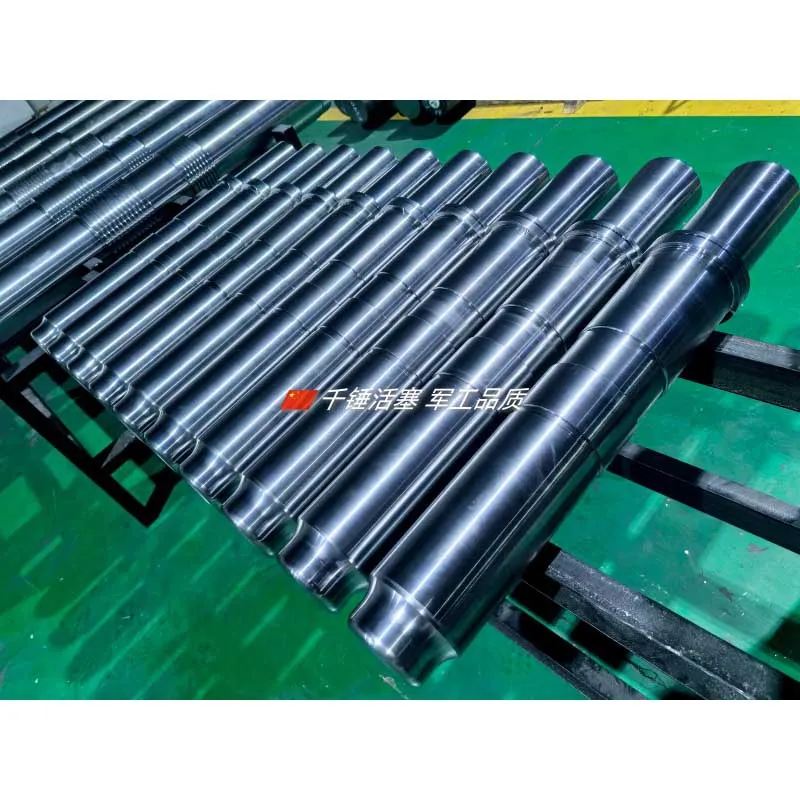
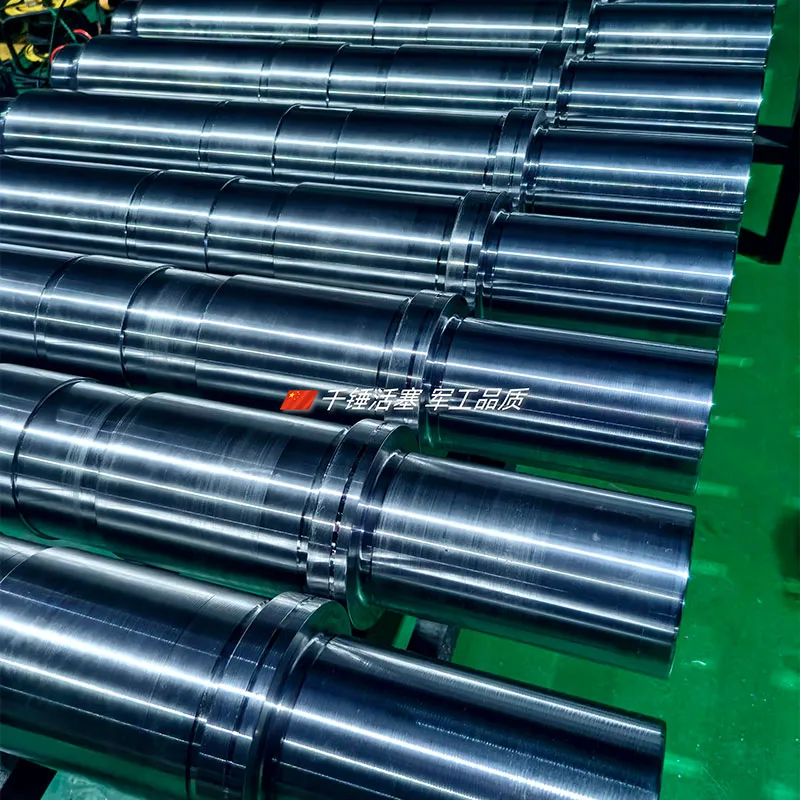
To solve this problem, it is necessary to use special military grade alloy steels. These alloys contain an increased amount of alloying elements, such as nickel, molybdenum and vanadium, which provide depth of hardenability and retention of properties at high temperatures. In the assortment of Mianyang Qianchui Mechanical Equipment LLC, all products are made from precisely such alloys that have undergone multi-stage carburization hardening. This creates a hardness gradient: the surface acts as armor (HRC 58–62), preventing abrasive wear from rock particles and oil, while the core remains tough (HRC 30–35), absorbing impact energy without cracking. This balance of parameters is critical when working in ultra-hard rock conditions, where each impact tests the metal to its limits.
Heat treatment is not just “heat and cool.” This is a complex technological process, including carburization to saturate the surface layer with carbon, subsequent hardening to fix the martensitic structure, and low-temperature tempering to relieve internal stresses. Violation of the temperature regime by even 10–15 degrees can lead to the formation of retained austenite, which over time will turn into martensite during the operation of the part, causing its spontaneous cracking. Our production base is equipped with a modern heat treatment line, which allows us to control these parameters with an accuracy of one degree, which is confirmed by the presence of a valid certificate of conformity and our own testing laboratory.
Comparative analysis of the service life of pistons made of different materials
| Parameter | Standard steel (40Х/45#) | Alloy Steel (Military Grade) | Impact on Operation |
|---|---|---|---|
| Surface Hardness (HRC) | 45–50 | 58–62 | Increase in service interval by 2.5–3 times |
| Impact strength (KCU, J/cm²) | 30–40 | >60 | Eliminates the risk of sudden destruction during cold starts |
| Fatigue resistance (cycles) | ~500,000 | >2,000,000 | Reduced replacement frequency and spare parts logistics costs |
| Geometry stability | Low (deformation when heated) | High (precision CNC machining) | Preventing jamming and overheating of the hydraulic system |
The choice of material determines not only the life of the part itself, but also the health of the entire hydraulic system of the excavator. A deformed piston breaks the tightness of the seals, leading to mixing of the high and low pressure cavities, which causes a drop in impact power and overheating of the oil. In the long term, saving on the cost of the piston results in repairs to the pump group and hydraulic cylinders, the cost of which may exceed the price of the hammer itself. Therefore, using components manufactured to strict performance specifications is the only way to minimize the total cost of ownership.
Application of Hydraulic Hammer Piston in Specific Industry Scenarios
The mining industry is heterogeneous: working conditions in a coal mine in Kuzbass are radically different from ore mining in the Urals or the construction of tunnels in the rocks of the Caucasus. There is no one-size-fits-all solution, and understanding the specifics of each scenario allows you to select the optimal piston configuration. Let's look at two real cases from our practice that demonstrate how the correct choice of component affects performance.
Scenario 1: Secondary crushing of oversized materials at an iron ore mine.
The main problem here is the high abrasiveness of dust and shock loads from working “in weight” or at sharp angles. The customer experienced that standard pistons failed after 250 hours of operation due to erosion of the cylinder bores and cylinders. After the introduction of model 616S pistons, made of special alloy steel with a reinforced cemented layer, the service life of the unit increased to 900 hours. The key factor was not only hardness, but also the quality of the CNC finishing, which ensured an ideal surface roughness that reduced friction. This made it possible to reduce excavator downtime by 70% and save more than $15,000 on the purchase of spare parts for one year of operation of one set of equipment.
Scenario 2: Tunneling in granite massifs.
When tunneling, the hammer operates in continuous chiselling mode with a high frequency of blows. The main danger here is thermal breakdown and metal fatigue. One of our partners in the infrastructure construction industry reported a problem with frequent striker failures due to piston misalignment. The analysis showed that the previously used parts had tolerances that did not meet the requirements for working with rock hardness above 150 MPa according to Protodyakonov. Replacement with Mianyang Qianchui Mechanical Equipment Co., Ltd. products, particularly QC600 drill rod cores and compatible pistons, solved the alignment problem. The accuracy of the geometric parameters, tested in our own testing laboratory, ensured the transfer of energy strictly along the impact axis, eliminating parasitic loads on the tool body. The rate of penetration increased by 18% and the number of emergency stops was reduced to zero during the first quarter.
These examples confirm that the use of a hydraulic hammer piston must be considered in the context of specific operating conditions. The wide compatibility of pistons with the world's leading brands such as DAEKKO, BEILITE, Montabert, Furukawa, Atlas and SOOSAN allows our solutions to be integrated into existing fleets without the need to upgrade attachments. Whether it's the French Montabert series, known for its complex damping system, or the Japanese brand Furukawa with its high-speed cycle, our engineers select thermal conditions and tolerances specifically for the characteristics of a particular brand.
Production technologies and quality control: from blank to finished product
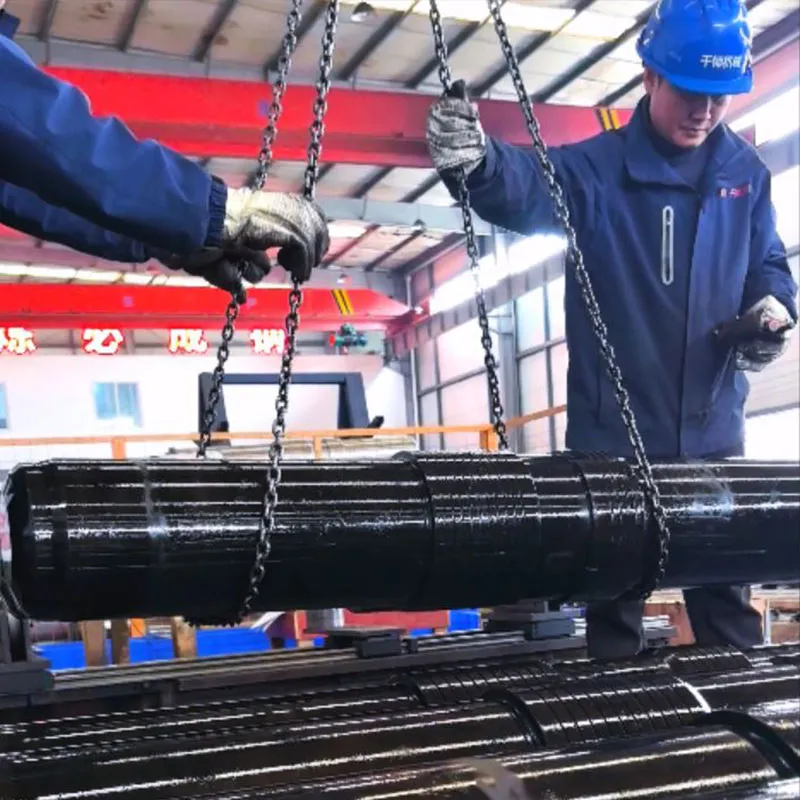
The quality of the piston is determined not at the stage of final inspection, but at the stage of selecting raw materials and designing the technological process. Unlike mass production, where speed is a priority, creating components for heavy construction and special equipment requires an individual approach to each batch. The production base of Mianyang Qianchui Mechanical Equipment LLC implements an integrated approach to production, covering the entire product creation cycle.
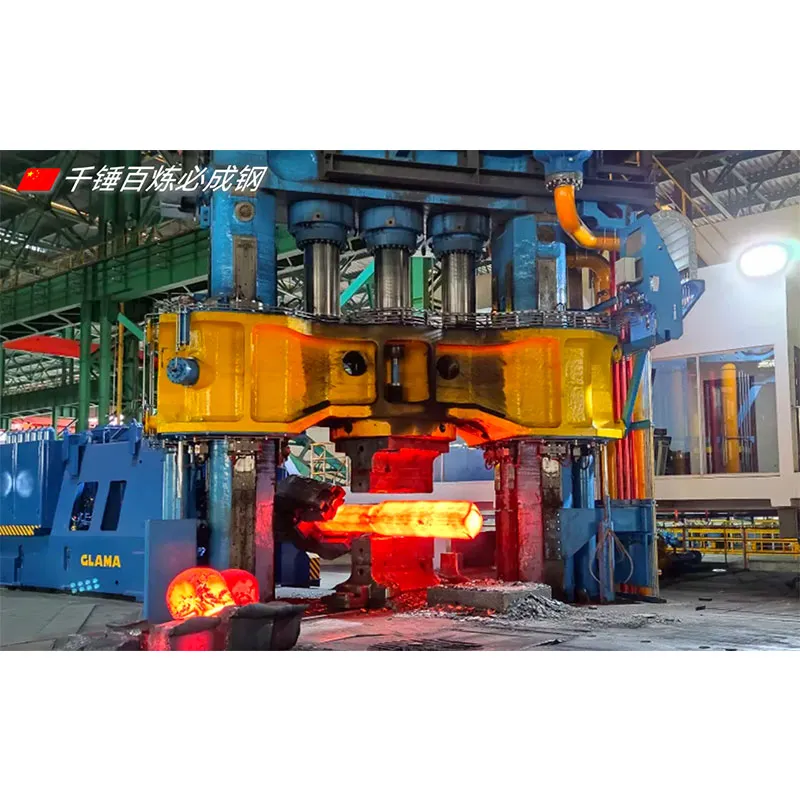
The process begins with incoming inspection of source materials. We do not accept steel without chemical composition and macrostructure certificates. Each workpiece undergoes ultrasonic flaw detection to identify internal voids or delaminations that can become sources of failure under load. Only after confirmation of compliance with military standards does the material go into production. This is followed by the stage of roughing on numerically controlled machines, where preliminary geometry is formed with an allowance for heat treatment.
The central stage is heat treatment. The line includes carburizing furnaces that allow saturating the surface layer with carbon to a specified depth (usually 1.2–1.8 mm for hammer pistons). This is followed by hardening in a controlled environment to prevent oxidation and decarburization of the surface. Low-temperature tempering completes the cycle, stabilizing the martensite structure. It is this technology that ensures exceptional strength and wear resistance of products, setting them apart from competitors who use volumetric hardening, which gives high hardness, but makes the part brittle.
Finishing is carried out on high-precision grinding and honing machines. The roughness of the working surface is brought to Ra values of 0.2–0.4 µm. This is necessary to create an optimal oil film between the piston and liner. Any micro-roughness above this threshold will act as an abrasive, quickly destroying the seals. Quality control is carried out at all stages, including the final check of geometric parameters, surface hardness and impact strength. The company has its own testing laboratory, where crash tests and simulated operating cycles are carried out, which allows us to guarantee the reliability of each product unit.
Frequently Asked Questions
How can you tell if a hydraulic hammer piston needs to be replaced?
The first sign of wear is a decrease in impact energy at constant pressure in the hydraulic system. If you notice that the hammer has become sluggish and is taking longer to break rock, this is a sign of loss of compression. The second sign is the appearance of metal shavings in the hydraulic oil or a change in its color to milky (emulsion), which indicates damage to the seals due to scratches on the piston surface. It is also worth listening to the sound of operation: the appearance of a metallic clang or double knocks indicates misalignment or play in the piston. In our practice, we recommend carrying out a visual inspection and measuring the piston diameter with a micrometer every 500 operating hours, without waiting for critical symptoms.
Can pistons from one brand be used in hammers from another?
Yes, this is possible, but only if the geometric dimensions and characteristics of the material completely match. The products of Mianyang Qianchui Mechanical Equipment Co., Ltd. are designed taking into account the wide compatibility of pistons with the world's leading brands. However, it is important to understand that different manufacturers (for example, the Korean SOOSAN and the French Montabert) may use different seal groove profiles or stroke lengths. You cannot simply take a piston of a “similar size” - this will lead to water hammer or jamming. It is necessary to check the catalog numbers and drawings. Our experts provide advice on the selection of optimal components, taking into account the specific operating conditions and model of your hammer, in order to eliminate compatibility errors.
Why do military steel pistons last longer than regular ones?
The secret lies in the chemical composition and processing technology. Conventional steels have a limited ductility and are prone to temper brittleness. Special military-grade alloy steel contains nickel and molybdenum additives that increase deep hardenability and maintain toughness under high dynamic loads. Multi-stage case hardening creates a composite structure: a hard shell resists wear, and a soft core dampens vibrations. This allows the product to withstand millions of load cycles without the formation of fatigue cracks, which is especially important when working in ultra-hard rock conditions, where conventional materials are destroyed in a matter of months.
Logistics, service and long-term partnership strategy
Reliable supply of spare parts for mining equipment often becomes a matter of business survival. Stopping a quarry because one piston is missing can cost more than the part itself. The company's sales market covers the CIS countries, Europe, Asia and the Middle East, which requires well-functioning logistics and flexible production facilities. Mianyang Qianchui Mechanical Equipment LLC ensures a stable supply of ordered components both under regular contracts and for urgent requests. Thanks to our location in Mianyang and our own warehouse programs, we can quickly respond to customer needs, minimizing delivery times to facilities in remote regions.
The service policy is based on the principles of technical support and prompt response. We don't just sell hardware, we provide engineering support. Cooperation directly with construction equipment manufacturers, service centers and contractors allows us to receive feedback from the front lines and instantly make adjustments to the design or production technology. The company's strategic goal is to strengthen its position as a reliable partner in the field of highly reliable mechanical components, capable of ensuring stable quality and technological relevance of its products in the long term.
The company cooperates with enterprises implementing large infrastructure and defense projects. Experience in manufacturing critical components for the defense industry, such as missile casings and rapid-fire barrels, is being transferred to the civilian sector. The same standards of control, the same manufacturing discipline are applied in the manufacture of pistons for hydraulic hammers. This ensures that you receive a product created with a safety margin many times greater than the usual GOST or ISO requirements.
In conclusion, choosing a hydraulic hammer piston is an investment in the smooth running of your processes. Using products manufactured from special military grade alloy steel using advanced case hardening, it achieves specified tolerances and performance characteristics not available to the mass market. Whether you use DAEKKO, BEILITE or Atlas, the right component selection will determine your profit at the end of the reporting period.
We are ready to offer you a solution that will stand the test of the most severe operating conditions. Contact us today to receive advice on pistons selection and discuss delivery terms. Visit our cataloghigh-precision components for heavy equipmentto view our full range of products and technical specifications.