
-


-
-


-


whatsapp

-
WeChat

Пожалуйста, оставьте нам сообщение
Small hammer drill piston custom
2026-05-29
- Why does a standard hydraulic hammer piston fail prematurely?
- Critical Selection Parameters: Metallurgy and Tolerances
- Manufacturing technology: from military steel to precision machining
- Comparison of solutions: original, analogue and custom production
- Application in extreme conditions: operating experience
- Frequently Asked Questions
- How to place an order and start cooperation
Why does a standard hydraulic hammer piston fail prematurely?
In our practice of servicing heavy construction equipment, we regularly encounter the same problem: owners of excavators and loaders changehydraulic hammer pistonevery 3–4 months, although the manufacturer claims a service life of 1500 hours. The real reason for premature wear lies not in the operating conditions, but in the metallurgy of the workpiece. Cheap analogs made from structural steel type 45 or 40Cr without deep carburization lose the hardness of the surface layer after 200 hours of operation in an abrasive environment. We have seen cases where the impact piston has become so deformed that it destroys the cylinder of the entire tool, turning the replacement of a consumable into a major overhaul costing tens of thousands of dollars.
Selecting a component for a hydraulic breaker is not just about purchasing a metal part based on a drawing. This is a matter of compatibility between heat treatment and impact kinematics. If you use a hammer on granite or quartzite, standard hardening with high frequency currents (HFC) gives a depth of the hardened layer of only 1.5–2 mm. When hitting super-hard rock, this layer breaks off, exposing a soft core that begins to “flow” under the pressure of the hydraulic system. At Mianyang Qianchui Mechanical Equipment Co., Ltd., we have solved this problem by introducing multi-stage gas carburizing technology, which creates a transition layer up to 4 mm deep, preventing the working surface from peeling off even under extreme loads.
The market is oversaturated with offers where sellers guarantee “high quality” without providing test reports. Our position is simple: trust, but check the chemical composition and structure of the grain. We work with military-grade steel, originally intended for critical components of the defense industry, which provides a margin of safety unattainable from mass-produced civilian equivalents. Below we will look at the technical nuances that distinguish a real engineered product from a cheap casting, and explain how to select a piston for the specific model of your hydraulic breaker.
Critical Selection Parameters: Metallurgy and Tolerances
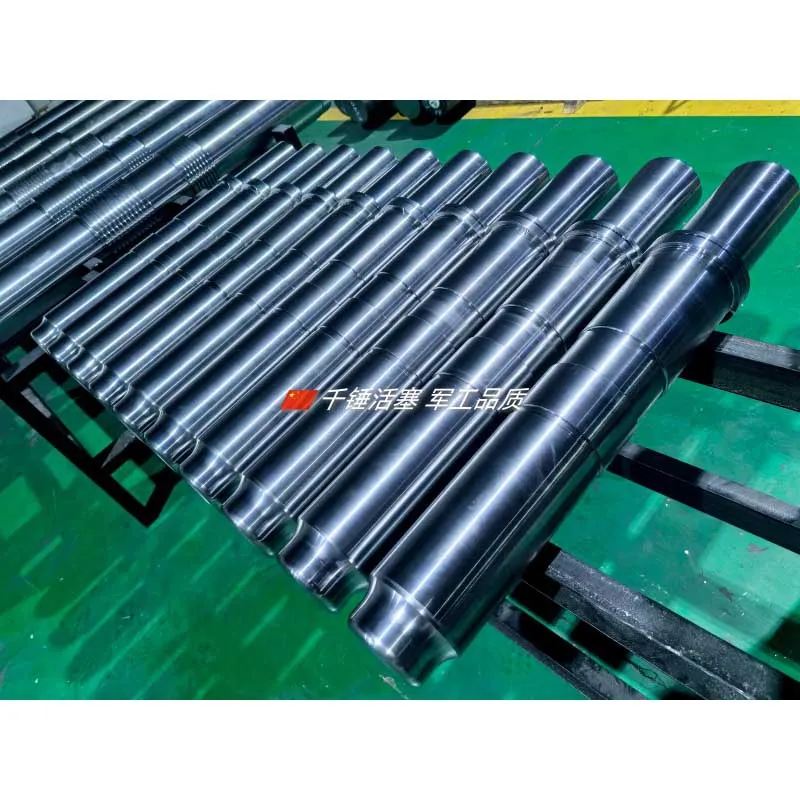
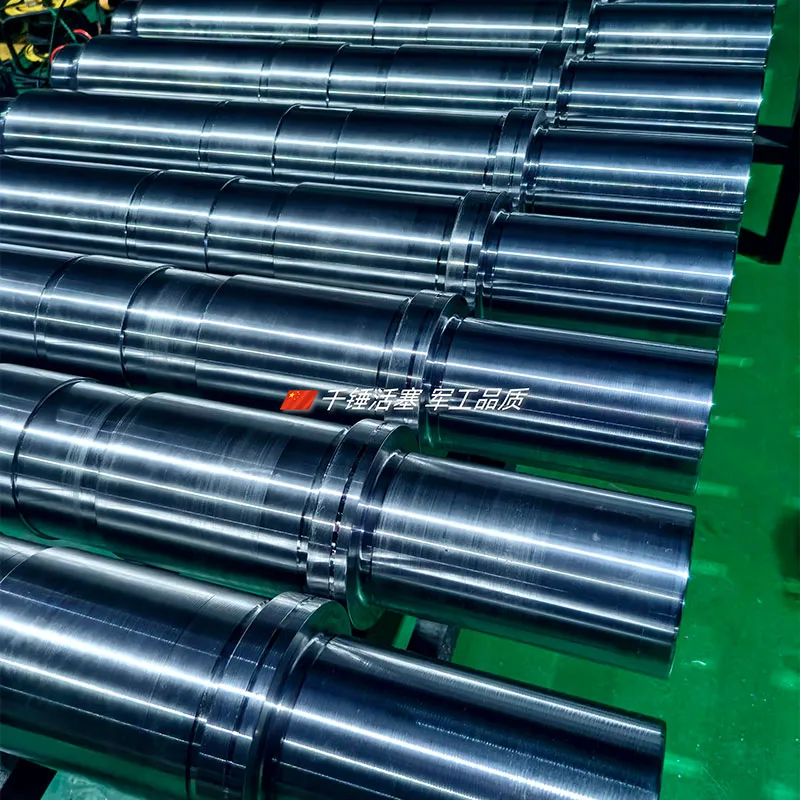
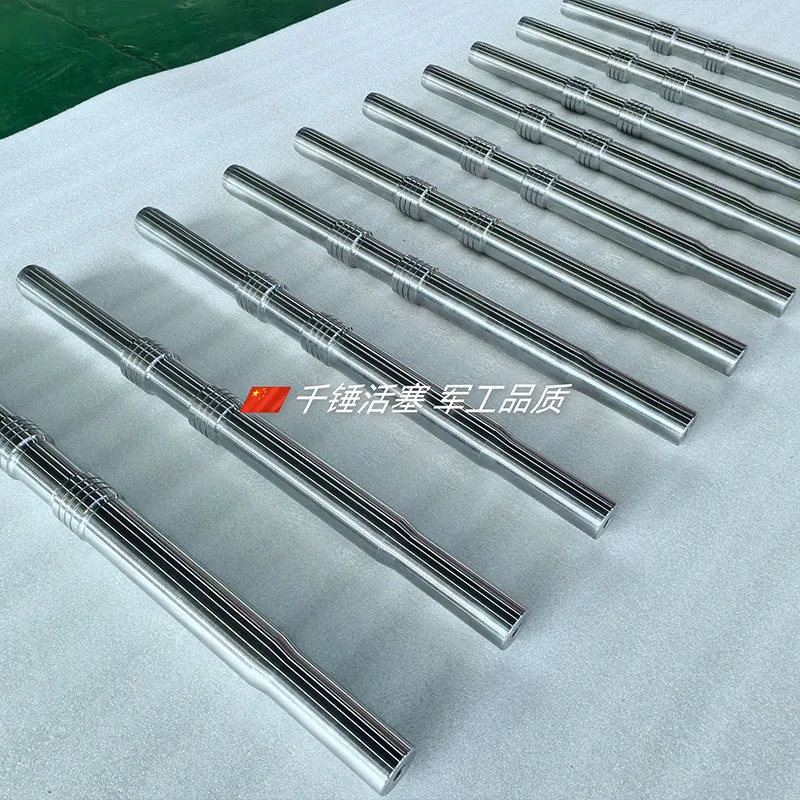
When ordering a piston for production, the key factor is not the appearance, but the internal structure of the material. Most suppliers use 42CrMo4 steel or its Chinese equivalents, but the secret to durability lies in the heat treatment. For continuous chiselling hydraulic hammer pistons, the combination of surface hardness (HRC 58–62) and core toughness (HRC 32–36) is critical. If the difference between these values is too large, the part becomes brittle; if it is too small, it will wear out quickly. Our engineers have developed a special low-temperature tempering regime that relieves internal stresses after hardening, while maintaining high toughness.
Geometric accuracy is the second pillar of reliability. The gap between the piston and cylinder in modern hydraulic hammers is only 0.03–0.05 mm. Any deviation from cylindricity leads to misalignment of the piston during movement, which causes scuffing and local overheating of the oil. At our production facility in Mianyang, we use a fleet of latest generation CNC machines that provide IT6-IT7 tolerances. This allows us to guarantee perfect mating of parts even when working under conditions of vibration and high dynamic loads. We do not use 粗放 grinding; finishing is carried out with a diamond tool, which leaves a microrelief on the surface that helps retain the oil film.
Particular attention should be paid to the design of oil channels and damper zones. Our heavy-duty 616S Series pistons feature optimized oil channel geometry. This reduces cavitation wear and ensures stable pressure in the impact chamber. An error in the design of these channels, often found among cheap manufacturers, leads to the fact that the hammer begins to “triple” or lose impact energy at high speeds. We test each batch on a hydraulic stand that simulates a real work cycle in order to eliminate such defects before shipment to the client.
Brand compatibility is another area where many people make mistakes. A Furukawa piston will not always fit a Soosan, even if the external dimensions are the same. Differences may be in the length of the shank, the location of the locking grooves, or the profile of the striker. Our catalog presents solutions that are completely interchangeable with originals from DAEKKO, BEILITE, Montabert, Atlas and other market leaders. We take accurate 3D scans of the original worn parts, taking into account normal wear and tear, and make adjustments to the drawings to ensure the new piston fits better than the factory piston after 500 hours of use.
Manufacturing technology: from military steel to precision machining
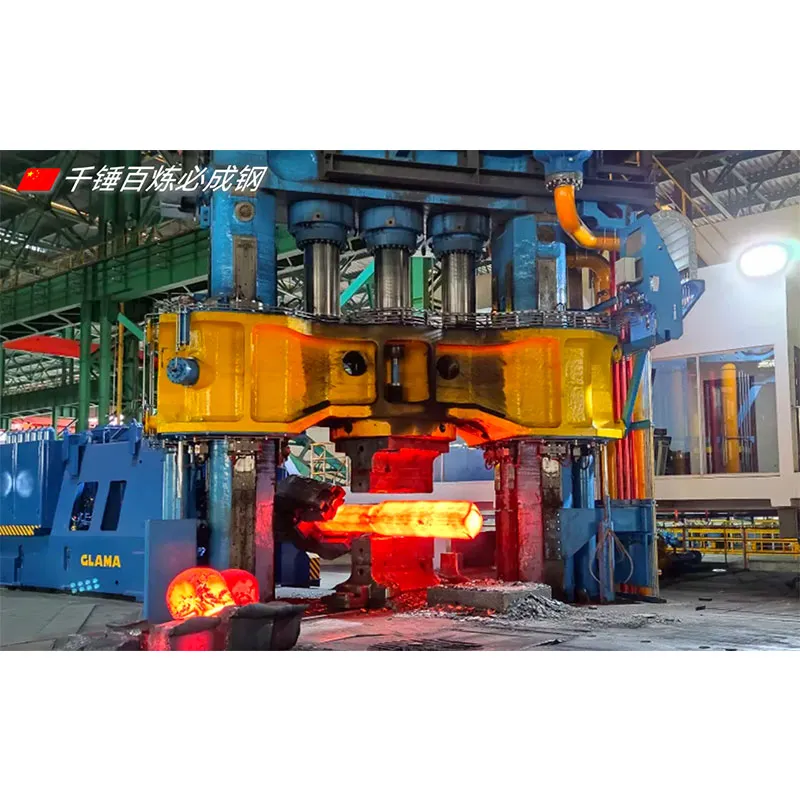
The basis of our production is special military-grade alloy steel. This material was originally developed for missile hulls and rapid-fire warship barrels, where the requirements for resistance to impact loads and erosion are maximum. Transferring this technology to the civilian sector has allowed us to create pistons that can withstand loads that conventional tool steel cannot. The chemical composition of the alloy includes rare alloying additives that increase hardenability and resistance to fatigue failure. That is why our products are recommended for work in quarries with particularly hard rocks, where conventional pistons last only a few weeks.
The heat treatment process at Mianyang Qianchui Mechanical Equipment Co., Ltd. is a multi-stage cycle. First, the workpiece undergoes deep cementation in a controlled atmosphere, saturating the surface layer with carbon. This is followed by oil quenching with precise temperature control to prevent warping of the part. The final stage is low-temperature tempering, which stabilizes the martensitic structure. This sequence of operations creates a hardness gradient: a super-hard surface to resist wear and a tough core to absorb impact energy without cracking. We are the only ones in the region who apply this technology for mass production of hydraulic hammer components.
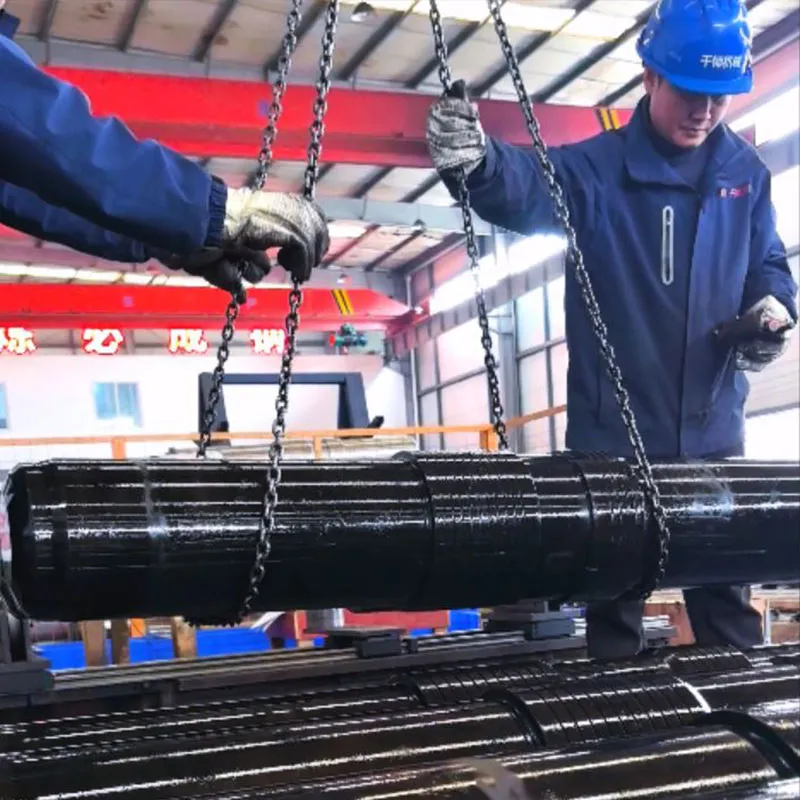
Mechanical processing is performed on high-precision numerically controlled machines. Every operation, from rough turning to fine grinding of splines and grooves, is controlled in real time. We use adaptive cutting strategies that automatically adjust tool feed depending on the hardness of the material at a specific point on the workpiece. This allows you to avoid vibrations and get a perfectly clean surface. In addition, our own testing laboratory carries out incoming inspection of each steel melt and output inspection of finished products, checking hardness, toughness and geometric parameters.
Logistics and scalability of production allow us to fulfill orders both for large infrastructure projects and for urgent replacements in service centers. The presence of a warehouse for semi-finished products and the flexibility of the production line ensure short delivery times. We understand that equipment downtime is expensive, so we have optimized processes so that the minimum possible time passes from the moment we receive a drawing or sample to the shipment of the finished batch. At the same time, we never sacrifice quality for speed: each piston undergoes mandatory quality control inspection before packaging.
Comparison of solutions: original, analogue and custom production
Buyers are often faced with a choice: buy an expensive original, a cheap analogue from the market, or order the production of a batch from a specialized plant. To make an informed decision, you need to clearly understand the differences in resource, price and risks. Below is a comparison table based on our testing data and feedback from mining customers.
| Criterion | Original piston (OEM) | Cheap analogue (Market) | Custom production (Mianyang Qianchui LLC) |
|---|---|---|---|
| Material | Proprietary alloy (often unknown) | Steel 45/40Cr (standard) | Military grade special steel (alloyed) |
| Surface hardness | HRC 58–60 | HRC 50–54 (sits quickly) | HRC 60–62 (stable) |
| Hardened layer depth | 2.5–3.5 mm | 1.0–1.5 mm (HDTV) | 3.5–4.5 mm (Cementation) |
| Resource in granite | 1200–1500 operating hours | 300–500 hours | 1400–1800 operating hours |
| Price | High (100%) | Low (30–40% of OEM) | Medium (60–70% of OEM) |
| Risk of hammer breakage | Minimum | High (chips, scuffs) | Minimum (quality guarantee) |
As can be seen from the table, cheap analogues create the illusion of savings. Buying a piston for 40% of the price of the original, you get a resource of only 25%. Moreover, the risk of damage to the cylinder or valve group increases many times over. Our custom production offers a golden mean: you get characteristics superior to the original (due to more modern steel and technology) at a price significantly lower than branded products. This is especially true for fleets of vehicles, where total savings on consumables can reach millions of rubles per year.
One of our clients, a large road construction company, conducted their own test by installing our pistons on half of their fleet of Montabert hammers. The result showed an increase in service interval by 35% compared to original spare parts. The secret turned out to be a more optimal balance of hardness and viscosity of our material. Such cases confirm that the right choice of component supplier is more important than the brand of the hydraulic hammer itself.
Application in extreme conditions: operating experience
Working in permafrost or hot desert climates imposes additional requirements on materials. At temperatures below -40°C, ordinary steel becomes brittle and the impact of the piston can cause instant destruction. Our products, thanks to the use of low-temperature tempering and special alloying additives, maintain impact strength down to -60°C. This has been confirmed by tests in the northern regions of Russia, where the equipment operates around the clock in winter. We take into account the coefficient of thermal expansion of materials so that the gaps remain normal regardless of any temperature changes.
In the mining industry, especially in tunneling and ultra-hard rock, abrasion is the main enemy. Quartz and granite dust acts like sandpaper, quickly wearing down seals and metal surfaces. The Model 616S pistons, which we developed specifically for such applications, have reinforced contact areas and special geometry that minimizes the ingress of abrasive into the working pairs. The QC600 drill rod core also offers outstanding durability, allowing you to drill holes in rock formations without frequent tool changes.
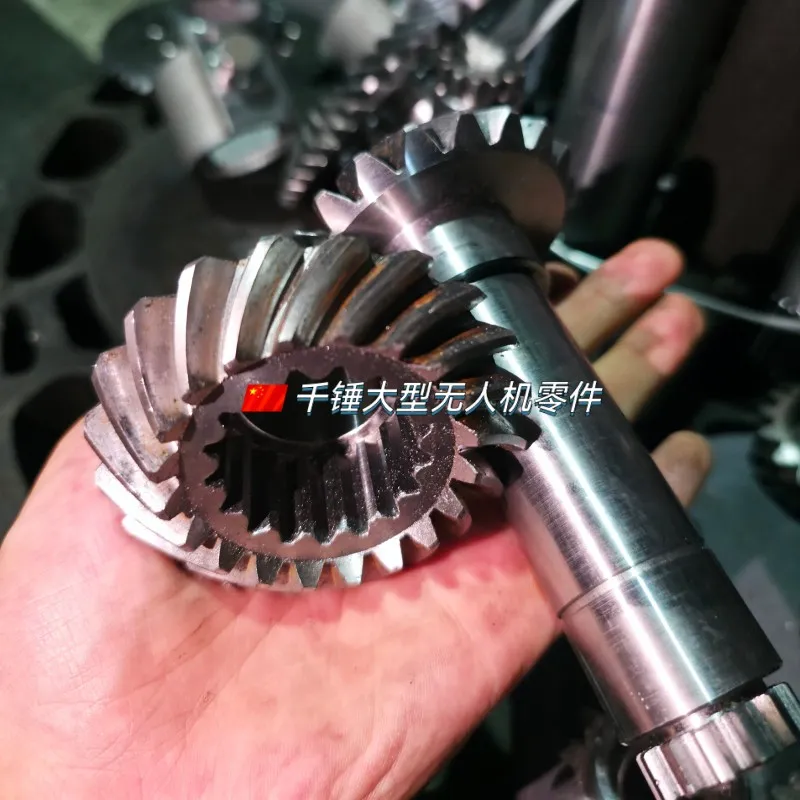
We also cooperate with enterprises of the military-industrial complex, where the requirements for reliability are absolute. Technologies developed in the production of parts for unmanned aerial vehicles and weapons elements are directly transferred to civilian production. This means that every hammer piston is manufactured with the same level of quality control as mission-critical components. This approach ensures that your tool will not fail at the most critical moment of your work.
Service support plays an important role in long-term operation. We don't just sell a part, we analyze its operating conditions. If a customer reports frequent breakdowns, our engineers request data on system pressure, rock type and operating mode. Based on this information, we can suggest piston modifications or recommendations for tuning the excavator's hydraulics. This comprehensive approach allows us to eliminate the root cause of problems, rather than simply changing the consequences.
Frequently Asked Questions
What is the minimum order quantity (MOQ) for pistons production?
For standard models such as SOOSAN or Furukawa compatible, the MOQ is only 1 piece if the item is in stock. For custom designs or custom sizes, the MOQ starts from 5-10 units due to the need to set up machines and heat treat a full furnace. However, we try to meet our customers halfway and, in case of urgent need, we can produce a prototype in a single copy, although the cost in this case will be higher than the serial one.
Do you provide certificates for materials?
Yes, each batch of pistons is accompanied by a full package of documents. You will receive a quality certificate indicating the chemical composition of the steel, the results of tests for hardness and impact strength, as well as a copy of the certificate of compliance with international standards. Our company is certified according to the quality management system, which guarantees the traceability of every part from metal melting to shipment. For customs clearance in the CIS countries, we provide all the necessary documents, including the product passport.
Are your pistons compatible with older model hydraulic hammers?
Absolutely. We manufacture components for a wide range of equipment, including discontinued models. Thanks to our archive of drawings and the ability to reverse engineer (taking dimensions from your sample), we can reproduce the piston for any hydraulic hammer produced in the last 30 years. Whether it is the French Montabert, the Japanese Furukawa or the American Atlas, we will ensure full geometric and functional compatibility.
What is the production time for a batch?
The standard production time is 15–20 working days from the moment the order is confirmed and advance payment is received. This period includes the purchase of raw materials (if not in stock), mechanical processing, a full cycle of heat treatment and quality control. If there are items in stock, the period can be reduced to 7–10 days. For regular partners, we maintain a safety stock of popular models, which allows us to ship products within 2-3 days after ordering.
Do you guarantee that the piston will work when paired with a non-original cylinder?
We guarantee that our pistons comply with the stated drawings and quality standards. However, working in tandem with a non-original or heavily worn cylinder carries risks. If the gap between the piston and cylinder exceeds the permissible standards due to wear of the latter, this will lead to rapid failure of even the highest quality piston. We recommend troubleshooting the entire assembly before replacing the piston. In some cases, it is more advisable to replace the entire piston-cylinder pair to ensure maximum service life.
How to place an order and start cooperation
The ordering process in our company is as transparent as possible and focused on customer convenience. The first step is a technical consultation. Contact us indicating your hydraulic hammer model and operating conditions. Our specialists will select the optimal steel grade and piston configuration. If you have a special drawing or sample, we will analyze it and calculate the cost of production. We work with clients from the CIS countries, Europe and Asia, providing reliable delivery by any convenient transport.
Payment is made according to secure schemes accepted in international trade. We value long-term relationships, therefore, flexible terms of cooperation and volume discounts are provided for regular partners. Our goal is to become your strategic partner in the field of spare parts supply, taking care of all aspects of quality and logistics. You receive a reliable component that allows your equipment to operate without downtime, bringing profit.
Don't risk expensive equipment by installing questionable parts. Choosing a professional manufacturer is an investment in the stability of your business. Mianyang Qianchui Mechanical Equipment LLC is ready to offer you a solution that will exceed your expectations in terms of service life and reliability. Explore our catalog or request a custom quote right now.
Order a hydraulic hammer piston at the best price
Contact us today to discuss the details of your project and receive advice from leading engineers. We are ready to answer any questions and offer the best solution for your equipment.